
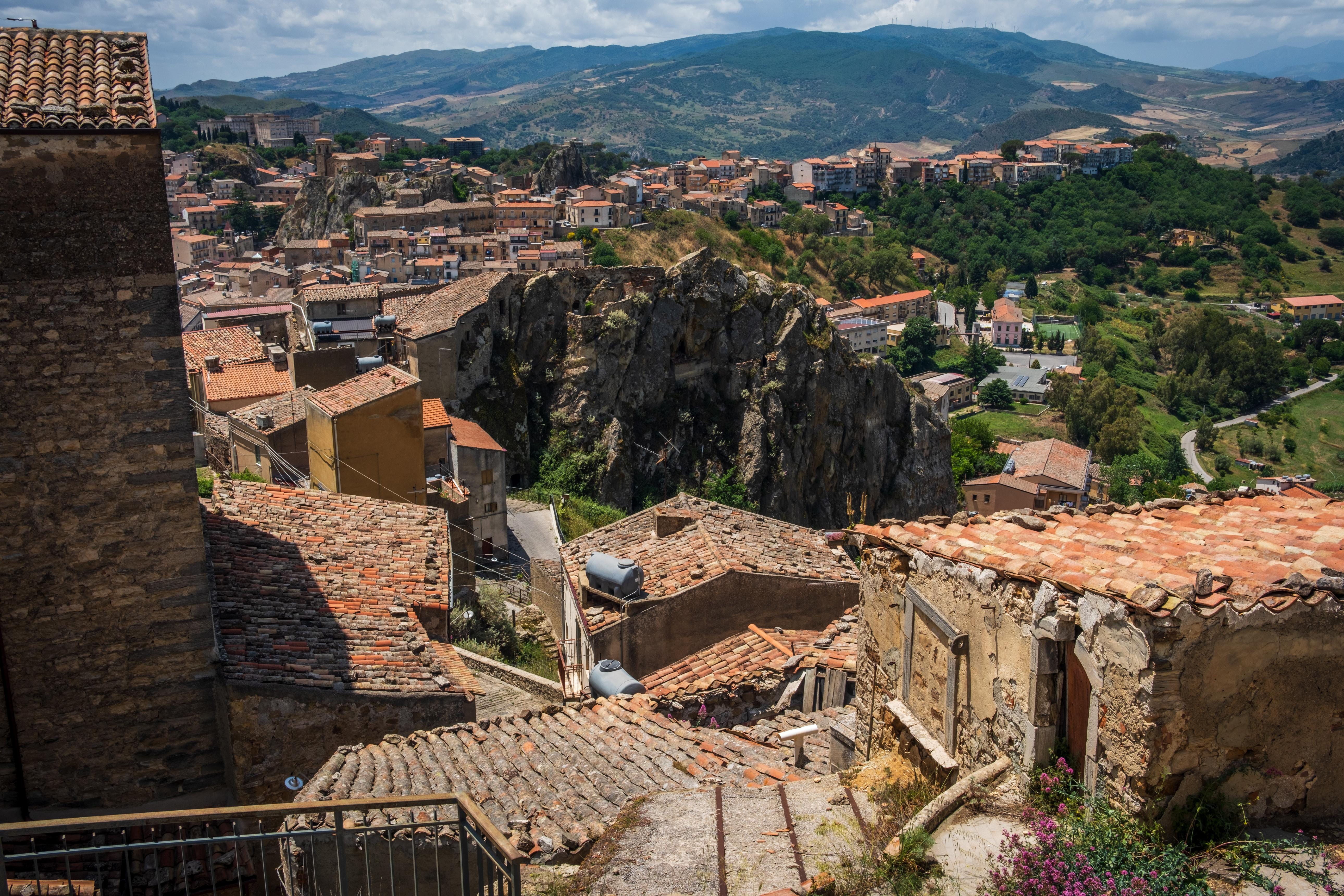
A Quiet Revolution in Sicily: From Empty Homes to Living Communities
Una rivoluzione gentile parte dalla Sicilia: comunità vive al posto di case vuote
A Nicosia nasce un modello che trasforma l’abbandono in presenza, attraverso fiducia, tempo e relazioni
C’è qualcosa di profondamente interessante - e per certi versi necessario - nel progetto che sta prendendo forma a Nicosia, nell’entroterra siciliano. Non perché sia completamente nuovo, ma perché prova a rimettere al centro un concetto che troppo spesso viene sacrificato nelle narrazioni sul “rilancio dei borghi”: la presenza.
L’iniziativa, promossa dall’associazione SicilyUp in collaborazione con il network TiME4, parte da un presupposto semplice: esistono case vuote, esistono persone disponibili a viverle - anche solo temporaneamente - e tra queste due realtà può nascere uno scambio che non è economico, ma relazionale.
Oltre il turismo, verso la presenza
Il meccanismo è lineare. I proprietari di seconde case o abitazioni utilizzate solo per brevi periodi mettono a disposizione i loro immobili. In cambio, chi arriva - viaggiatori, nomadi digitali, famiglie, pensionati attivi - contribuisce alla vita quotidiana del luogo: cura degli spazi, piccoli lavori di manutenzione, gestione di orti e giardini, accudimento degli animali o semplice presidio delle abitazioni.
Non c’è denaro. Non c’è affitto. C’è tempo. E, soprattutto, c’è fiducia.
Questo punto è cruciale. Perché sposta completamente il paradigma: non si tratta di attrarre flussi turistici, ma di generare presenza. E la presenza, nei piccoli borghi, vale più di qualsiasi campagna di marketing.
Il vero tema: lo spopolamento
Nicosia, come molte realtà dell’entroterra siciliano, vive da anni una progressiva perdita di popolazione. Le conseguenze sono evidenti: immobili inutilizzati, servizi che si riducono, relazioni sociali che si indeboliscono.
In questo contesto, iniziative come questa non rappresentano una soluzione definitiva - ed è importante dirlo con chiarezza - ma possono diventare un tassello concreto. Non risolvono il problema strutturale, ma lo rallentano, lo reinterpretano, lo rendono abitabile.
E questo, oggi, non è poco.
Il ruolo delle reti locali
SicilyUp lavora da tempo su progetti di sviluppo locale e costruzione di comunità. TiME4, invece, porta con sé il modello della “banca del tempo”, dove lo scambio non è monetario ma basato su ore e competenze.
La combinazione dei due approcci crea qualcosa di interessante: un sistema di ospitalità che non consuma il territorio, ma lo attiva.
Non si costruisce nulla di nuovo. Si riattiva ciò che già esiste.
Una prospettiva concreta (non romantica)
È facile, parlando di questi temi, scivolare nella retorica. Ma il punto qui è un altro. Questo modello funziona - o può funzionare - solo se resta concreto.
Serve continuità. Serve gestione. Serve selezione delle persone coinvolte. E serve, soprattutto, una comunità locale disposta ad aprirsi senza sentirsi invasa.
Se questi elementi si tengono insieme, il progetto può diventare replicabile. Non come formula magica, ma come approccio.
Più che case, relazioni
Il valore reale di questa iniziativa non sta nelle abitazioni recuperate, né nel tempo scambiato. Sta nella possibilità di ricostruire un legame - spesso interrotto - tra persone e luoghi.
In un momento storico in cui si parla molto di lavoro da remoto, mobilità e nuovi modelli abitativi, esperienze come quella di Nicosia offrono un’indicazione chiara: il futuro non è necessariamente nelle grandi città, ma nemmeno nei borghi “venduti” come prodotti.
È, piuttosto, nella capacità di creare connessioni autentiche.
E forse è proprio da qui che può nascere un modo diverso - più sostenibile, ma anche più realistico - di abitare l’Italia.
A Quiet Revolution in Sicily: Empty Homes, Living Communities
In Nicosia, a new model turns abandoned houses into lived spaces through trust, time, and human connection
There is something genuinely compelling — and, in many ways, necessary — about the initiative emerging in Nicosia, a small town in inland Sicily. Not because it is entirely new, but because it brings back to the center a concept often overlooked in narratives about rural regeneration: presence.
The project, promoted by SicilyUp in collaboration with the TiME4 network, is built on a simple idea. There are empty homes. There are people willing to live in them — even temporarily. And between these two realities, a different kind of exchange can exist: not economic, but relational.
Beyond tourism: towards presence
The mechanism is straightforward. Owners of second homes or underused properties make them available. In return, guests — including travelers, digital nomads, families, and active retirees — contribute to everyday life: maintaining spaces, taking care of gardens and vegetable plots, looking after animals, or simply keeping the houses alive.
There is no rent. No financial transaction. Only time — and, above all, trust.
This shift is significant. It moves the focus away from attracting tourists and towards creating presence. And in small towns, presence is far more valuable than any marketing campaign.
Addressing depopulation — realistically
Like many inland Sicilian towns, Nicosia has been facing a steady decline in population for years. The consequences are visible: unused properties, shrinking services, and weakened social fabric.
Projects like this are not a definitive solution — and it would be misleading to present them as such. But they can represent a tangible step forward. They do not solve the structural issue, but they mitigate it, reinterpret it, and make it manageable.
And in today’s context, that matters.
The role of local networks
SicilyUp has long been active in local development and community-building initiatives. TiME4 contributes its “time bank” model, where exchanges are based on hours and skills rather than money.
Together, they create a system of hospitality that does not consume the territory, but activates it.
Nothing new is built. What already exists is simply brought back to life.
A practical — not romantic — perspective
It is easy to romanticize projects like this. But their success depends on practical conditions: continuity, proper management, careful selection of participants, and a local community willing to engage without feeling overwhelmed.
If these elements align, the model can become replicable. Not as a one-size-fits-all solution, but as an adaptable approach.
More than homes: rebuilding connections
The true value of this initiative lies neither in the houses nor in the time exchanged. It lies in the possibility of rebuilding a connection — often lost — between people and places.
At a time when remote work, mobility, and new living models are reshaping how we think about geography, experiences like Nicosia offer a clear signal: the future is not just in cities, nor in villages turned into products.
It is in the ability to create authentic connections.
And perhaps, from here, a more grounded and sustainable way of living can begin again.
Contatti / Contacts
Per maggiori informazioni e per partecipare al progetto:
For more information and to take part in the initiative:
sicilyup@gmail.com


