
Agorà Design Festival, Martano e il Salento che progetta il futuro
Agorà Design Festival: when design becomes a shared responsibility in the heart of Salento


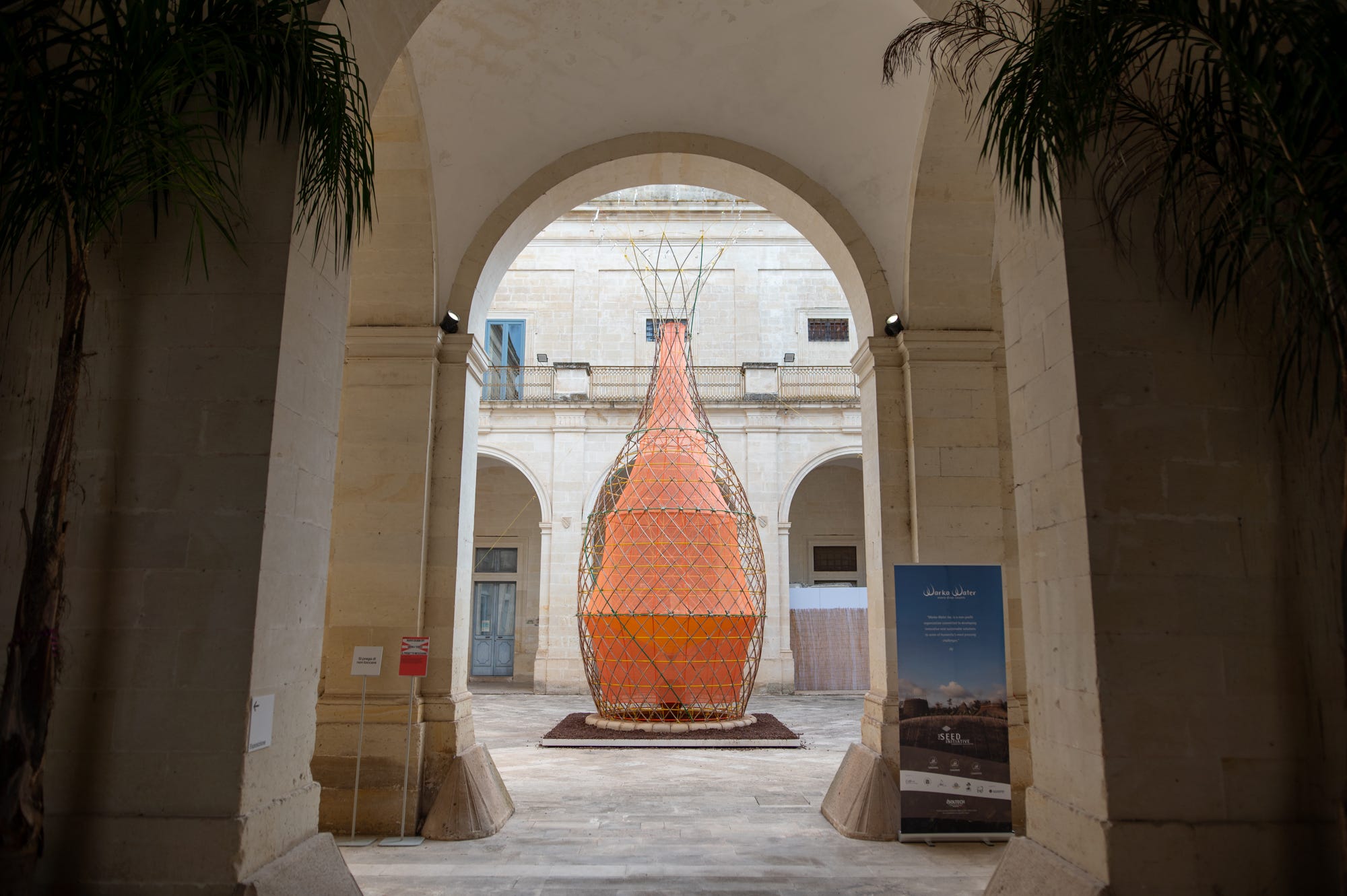
Qualche mese fa abbiamo seguito da vicino Agorà Design, il Festival internazionale di design che si è tenuto a Martano, nel cuore della Grecia Salentina. L’edizione 2025, intitolata “The Necessary Project”, si è svolta dal 2 al 5 ottobre 2025, portando nel centro del paese designer, architetti, artigiani, imprese e studenti da tutta Italia e dall’estero.
Oggi torniamo a raccontare quell’esperienza con uno sguardo più disteso, dopo aver intervistato Lucia Rescio, direttrice di Agorà Design e General Manager di Sprech, che ci ha accompagnato dentro il senso profondo di un progetto che intreccia design, responsabilità sociale, territorio e comunità.
Da cosa nasce il Festival Agorà Design? Perché Martano?
“Il festival nasce nel 2017 quando Sprech, l’azienda della mia famiglia, decide di prendere in carico un evento profondamente radicato nella memoria collettiva di Martano. Agorà era infatti, in origine, un festival dedicato alle arti e ai mestieri, una mostra-mercato che celebrava il saper fare degli artigiani della Grecia Salentina, con particolare attenzione alla lavorazione della pietra leccese e all’intaglio del legno.
Nel 2017 abbiamo scelto di assumerci la responsabilità dell’organizzazione della manifestazione, preservandone lo spirito originario ma ripensandone radicalmente il formato. Da qui la decisione di lanciare un bando aperto ad architetti e designer, studenti e professionisti, organizzati in categorie distinte e chiamati a confrontarsi ogni volta con un tema diverso.
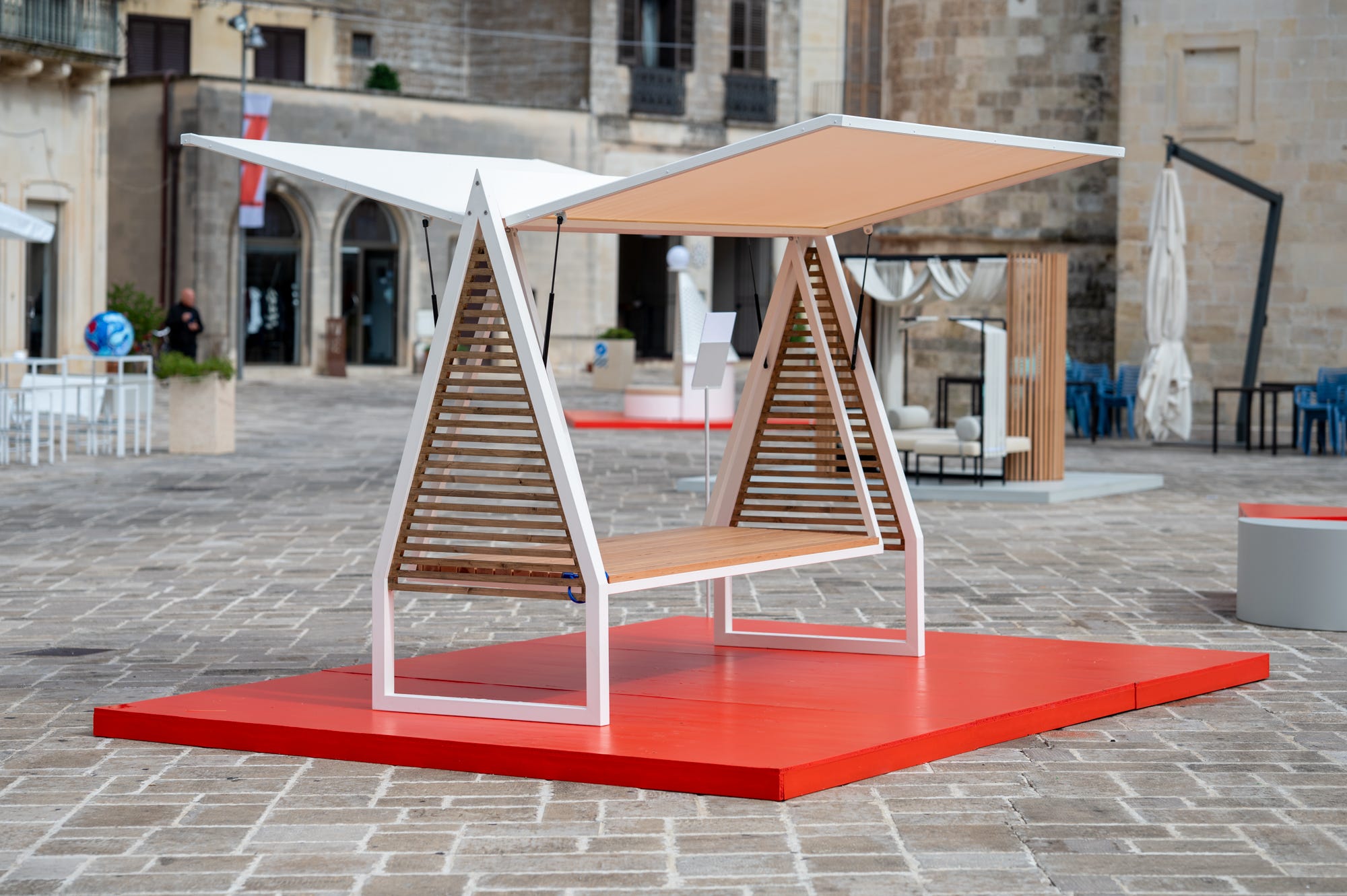
L’obiettivo era, ed è tuttora, costruire un ponte concreto tra progettazione e impresa, attivando un confronto spesso complesso ma necessario, capace di tradursi in ricerca, sperimentazione e prototipi reali. Nel tempo il festival ha assunto una fisionomia chiara, articolandosi in due anime complementari: arredo living/indoor, con prototipi fisici realizzati, e garden/outdoor, presentato attraverso tavole progettuali, ambito che per noi rappresenta un campo di indagine centrale.”
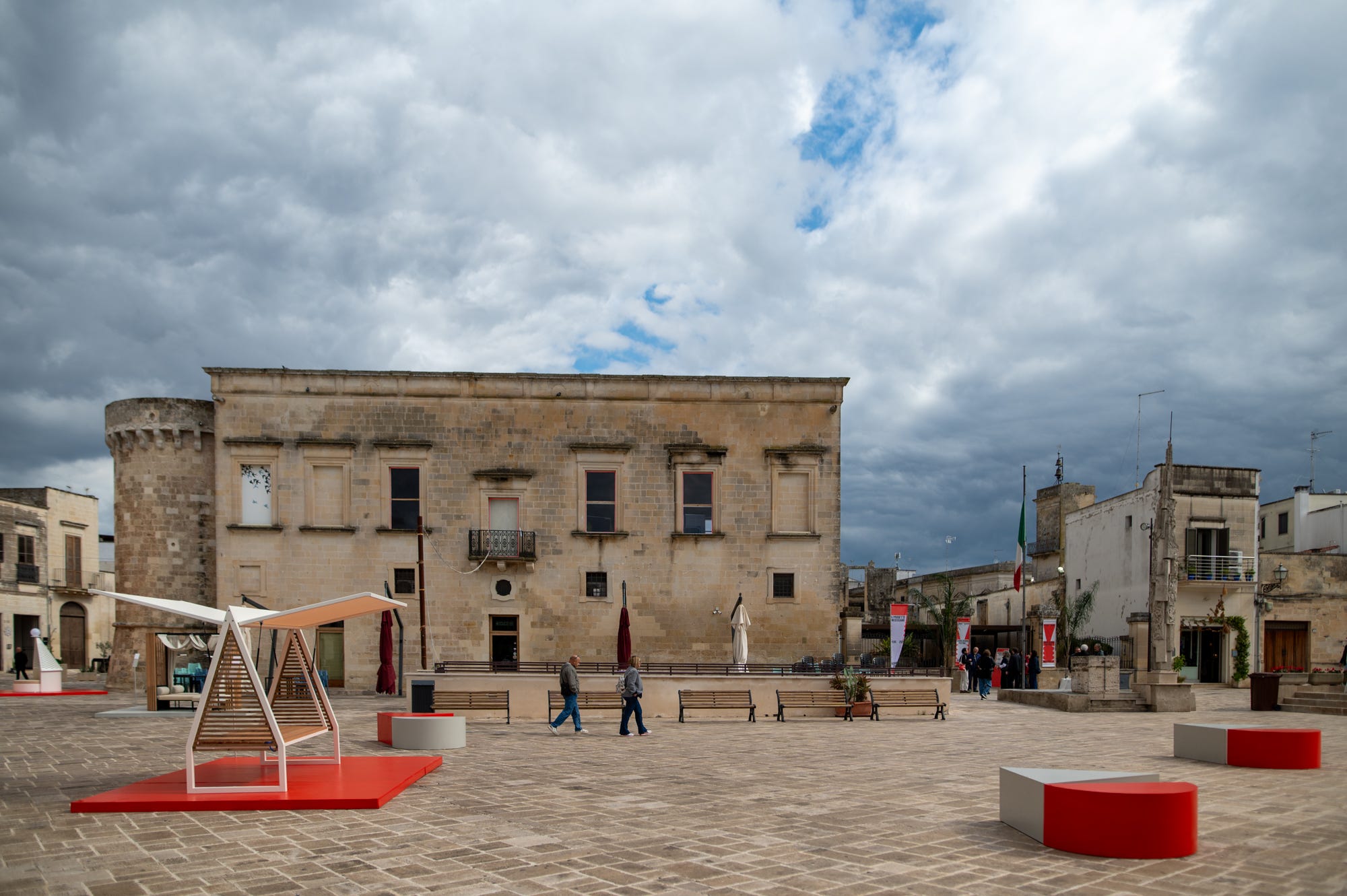
Una manifestazione non per soli addetti ai lavori: che risposta avete avuto?
“Agorà Design è un festival che interpreta il design come bene comune e come strumento di trasformazione collettiva. Non solo un luogo di esposizione e confronto professionale, ma uno spazio pubblico condiviso in cui designer, artigiani, imprese e comunità dialogano, co-creano e danno forma a nuove visioni.
L’esperienza di Agorà Design dimostra come il progetto possa ridurre distanze tra: discipline, territori e generazioni, creare innovazione sociale attraverso pratiche inclusive e sostenibili. Il design, nel nostro festival, è inteso come processo partecipativo e aperto che incide nella vita quotidiana delle persone, costruendo legami e restituendo al territorio nuove possibilità.”
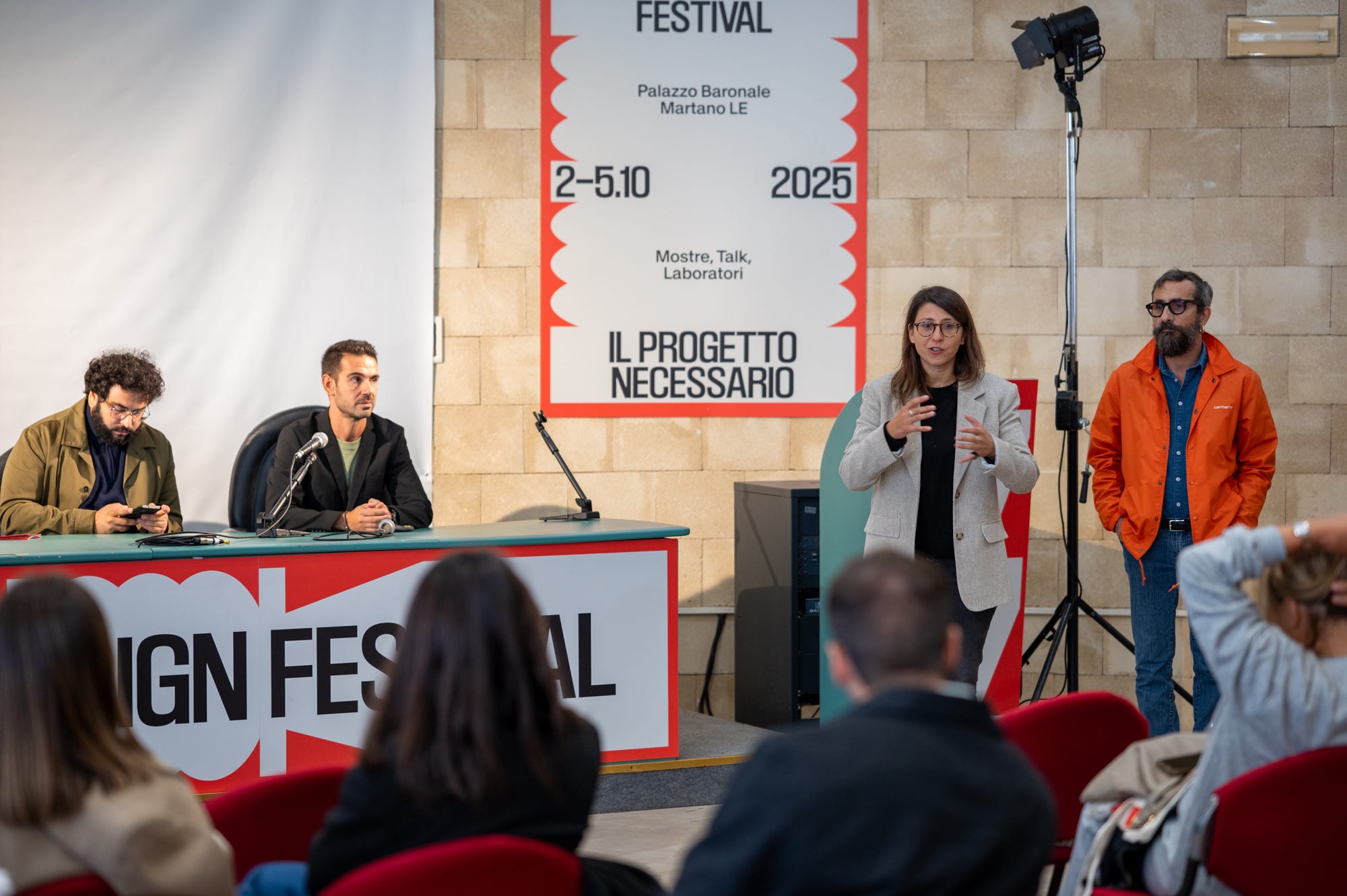
Rigenerazione urbana e territorio salentino: quali evidenze avete raccolto?
“Parlare di design oggi significa inevitabilmente parlare anche di territorio. Perché ogni progetto, ogni oggetto, ogni spazio che creiamo è il frutto di un’interazione profonda con il contesto in cui nasce. E questa è, in fondo, l’anima di Agorà Design.
Il radicamento sul territorio è uno degli elementi che rende questo festival così speciale. Martano non è Milano. Non è Roma. Non è una capitale del design. Ma è proprio qui che si attiva un circuito virtuoso: designer che arrivano da ogni parte del mondo si confrontano con l’identità profonda di un luogo, con la sua storia, la sua cultura materiale, le sue dinamiche sociali.
La comunità locale non è spettatrice, ma protagonista. I cittadini partecipano, osservano, si incuriosiscono. E se all’inizio la reazione poteva essere di sorpresa, oggi possiamo dire che Agorà Design è percepita come un bene comune. È diventata un appuntamento atteso, uno spazio di confronto che ha contribuito a generare un nuovo sguardo sul proprio territorio. Un festival che accende i riflettori su Martano per quattro giorni, ma che lascia tracce ben più durature: prototipi che diventano prodotti, idee che diventano imprese, relazioni che diventano reti.”
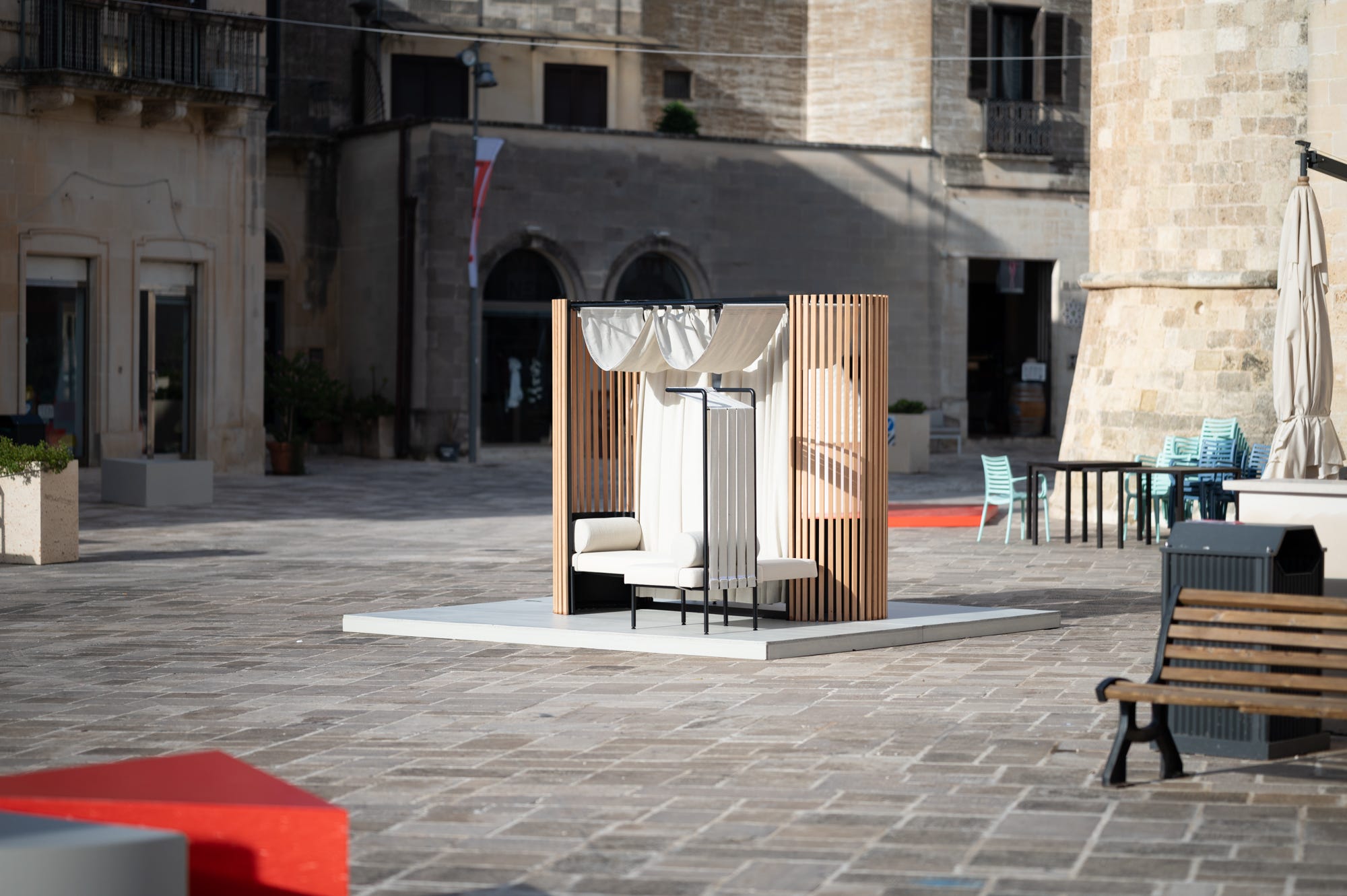
Quando sarà il prossimo appuntamento e come si può partecipare attivamente?
“Il prossimo appuntamento è fissato al 2027, con una nuova edizione del festival che proseguirà il percorso di ricerca e confronto avviato negli anni.
Partecipare significa mettersi in gioco attivamente, come progettisti, studenti, aziende, istituzioni, ma anche come cittadini attenti e curiosi. È possibile contribuire con idee, progetti, workshop, forme di sponsorship, ma ciò che conta davvero è la disponibilità a esserci, ad ascoltare e costruire relazioni.”
Dal festival al territorio: il Salento come laboratorio vivo
Raccontare Agorà Design oggi non significa solo celebrare un evento riuscito. Significa riconoscere un processo più ampio, che in gran parte del Salento è già in atto: design come strumento di rigenerazione, comunità come infrastruttura sociale, cultura come leva di sviluppo reale.
Con ITS ITALY questo lo vediamo ogni giorno. Non come teoria, ma come pratica concreta: progetti di rigenerazione, percorsi di coinvolgimento locale, sperimentazioni che mettono insieme lavoro, ospitalità, creatività e territorio — come accade a Caprarica di Lecce e in molti altri contesti salentini.
Il nostro obiettivo non è limitarci a osservare questi processi, ma esserne protagonisti insieme a tanti altri che scelgono di mettersi a disposizione: imprese, progettisti, amministrazioni, cittadini. Agorà Design è uno dei tanti esempi che dimostrano come questa terra sappia generare valore quando le energie si incontrano nel modo giusto.
Il Salento non è solo uno sfondo. È un laboratorio aperto. E storie come questa lo raccontano meglio di qualsiasi slogan.
Agorà Design: when design becomes a shared responsibility in the heart of Salento
Today we return to that experience with a calmer, more reflective perspective, following our interview with Lucia Rescio, Director of Agorà Design and General Manager of Sprech, who guided us through the deeper meaning of a project that weaves together design, social responsibility, territory, and community.

What gave rise to the Agorà Design Festival? And why Martano?
“The festival was born in 2017, when Sprech — the company owned by my family — decided to take responsibility for an event deeply rooted in the collective memory of Martano. Agorà was originally a festival dedicated to arts and crafts, a market exhibition celebrating the know-how of artisans from the Grecìa Salentina, with particular attention to Lecce stone craftsmanship and wood carving.
In 2017, we chose to take on the responsibility of organising the event, preserving its original spirit while radically rethinking its format. This led to the decision to launch an open call for architects and designers, students and professionals, organised into distinct categories and invited each time to engage with a different theme.
The goal was — and still is — to build a concrete bridge between design and enterprise, activating a dialogue that is often complex but necessary, capable of translating into research, experimentation, and real prototypes. Over time, the festival has developed a clear identity, articulated around two complementary dimensions: living/indoor furniture, with realised physical prototypes, and garden/outdoor design, presented through design boards — an area that represents a central field of investigation for us.”
A festival not only for industry insiders: what kind of response did you receive?
“Agorà Design is a festival that interprets design as a common good and as a tool for collective transformation. It is not only a place for exhibition and professional exchange, but a shared public space where designers, artisans, companies, and communities engage in dialogue, co-create, and give shape to new visions.
The experience of Agorà Design shows how design can reduce distances between disciplines, territories, and generations, creating social innovation through inclusive and sustainable practices. In our festival, design is understood as a participatory and open process that impacts people’s daily lives, building connections and giving new possibilities back to the territory.”
Urban regeneration and the Salento territory: what evidence have you gathered?
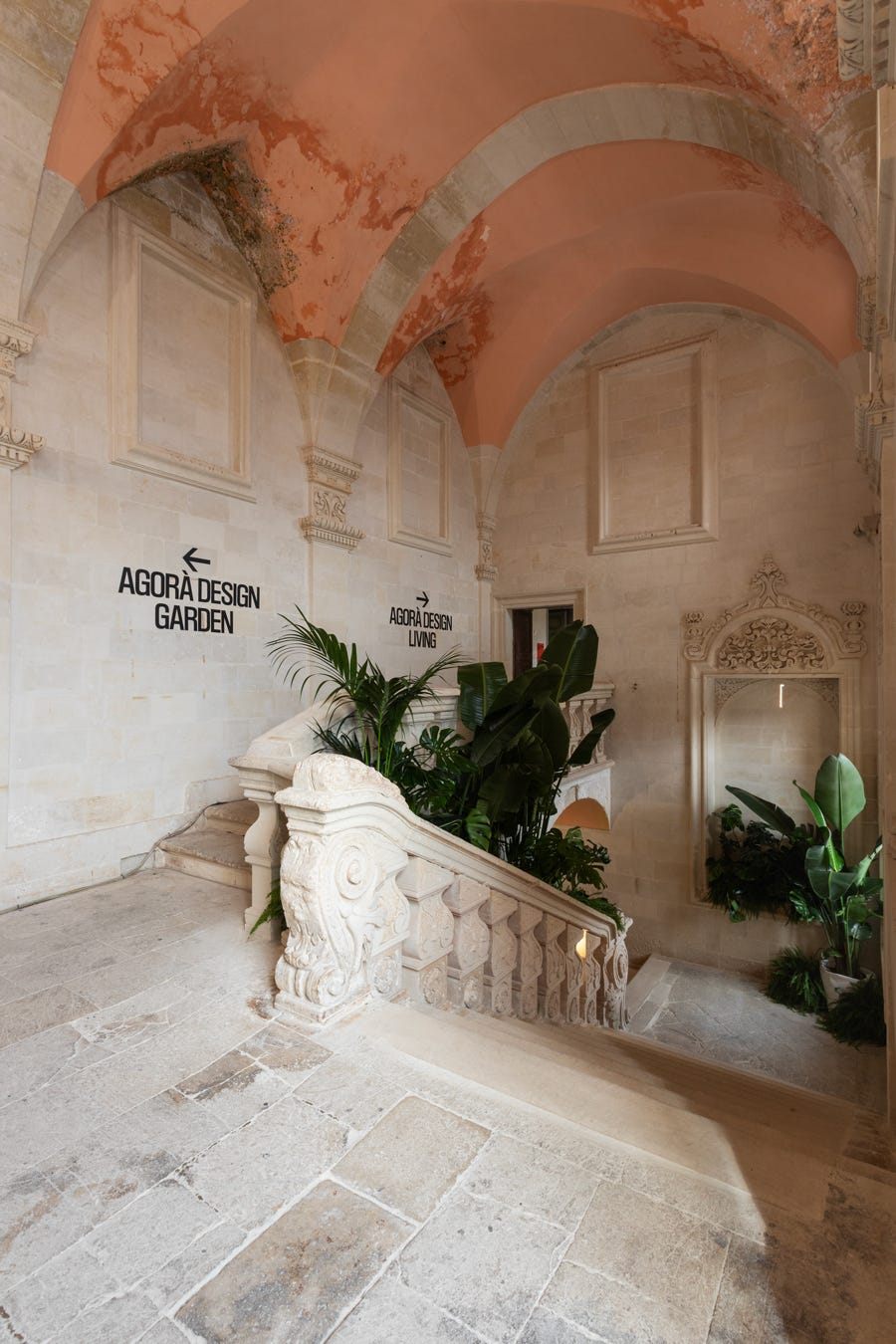
“Talking about design today inevitably means talking about territory. Because every project, every object, every space we create is the result of a deep interaction with the context in which it is born. And this, ultimately, is the soul of Agorà Design.
Rootedness in the territory is one of the elements that makes this festival so special. Martano is not Milan. It is not Rome. It is not a design capital. But it is precisely here that a virtuous cycle is activated: designers arriving from all over the world engage with the deep identity of a place — its history, its material culture, its social dynamics.
The local community is not a spectator, but a protagonist. Citizens participate, observe, grow curious. And if at first the reaction may have been one of surprise, today we can say that Agorà Design is perceived as a common good. It has become a highly anticipated event, a space for dialogue that has contributed to generating a new perspective on the territory itself. A festival that shines a spotlight on Martano for four days, but leaves far more lasting traces: prototypes that become products, ideas that become businesses, relationships that become networks.”
When will the next edition take place, and how can people actively participate?
“The next edition is scheduled for 2027, with a new festival that will continue the path of research and dialogue developed over the years.
Participating means actively stepping into the process — as designers, students, companies, institutions, but also as attentive and curious citizens. It is possible to contribute with ideas, projects, workshops, forms of sponsorship, but what truly matters is the willingness to be present, to listen, and to build relationships.”
From the festival to the territory: Salento as a living laboratory
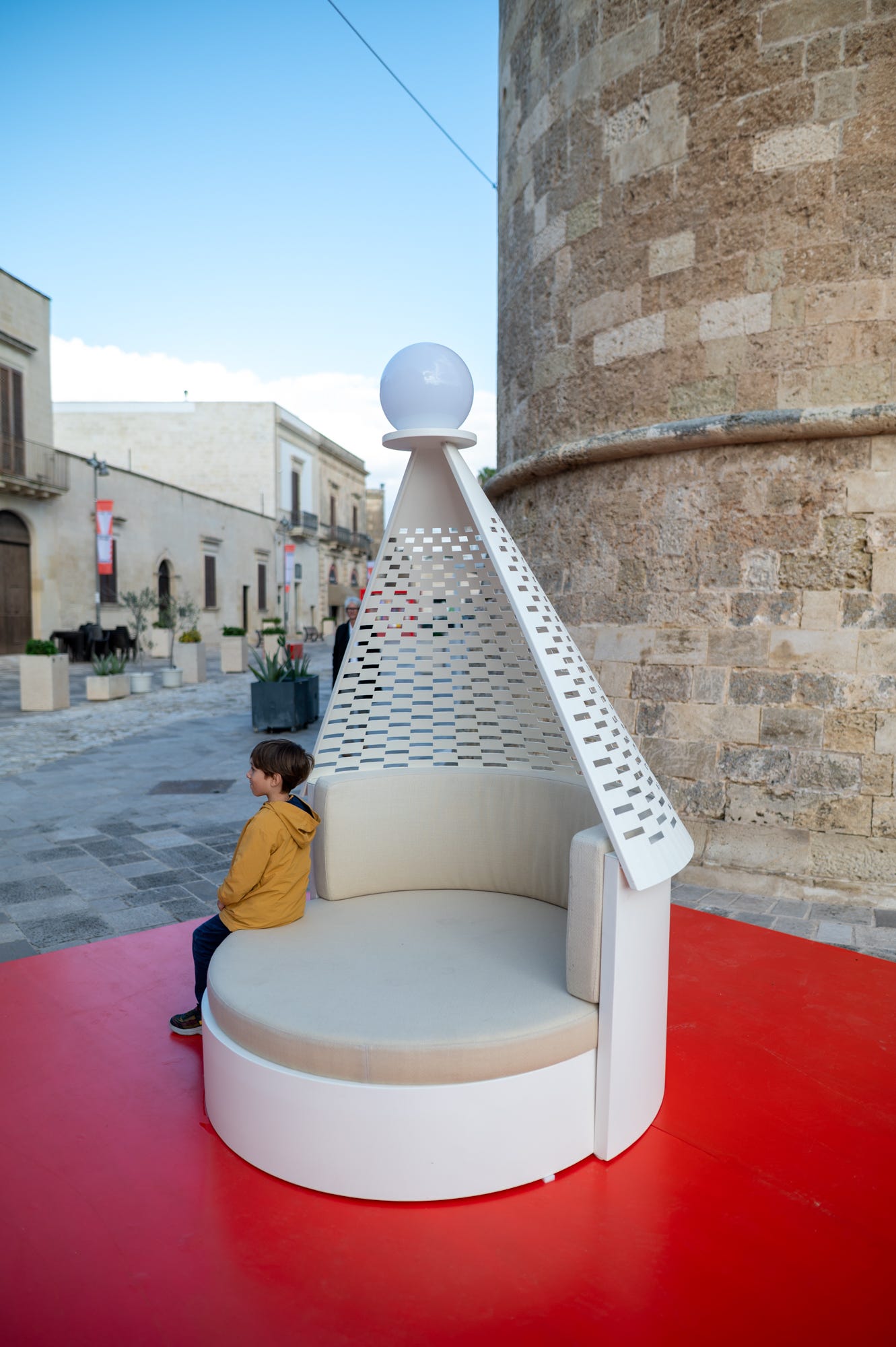
Telling the story of Agorà Design today does not simply mean celebrating a successful event. It means recognising a broader process that is already underway across much of Salento: design as a tool for regeneration, community as social infrastructure, and culture as a real driver of development.
With ITS Italy, we witness this every day — not as theory, but as concrete practice: regeneration projects, local engagement paths, and experiments that bring together work, hospitality, creativity, and territory — as happens in Caprarica di Lecce and many other Salento contexts.
Our goal is not simply to observe these processes, but to be protagonists alongside the many people who choose to put themselves at the service of their territory: companies, designers, public administrations, citizens. Agorà Design is one of many examples that show how this land is capable of generating value when energies meet in the right way.
Salento is not just a backdrop.
It is an open laboratory.
And stories like this tell it better than any slogan ever could.