
Beyond the €1 Homes Dream. Why Italy is not an outlet store - and why living comes before investing
Oltre l'illusione delle case a 1 euro. Perché l’Italia non è un outlet - e perché la vita viene prima dell’investimento

As seen on We the Italians Magazine
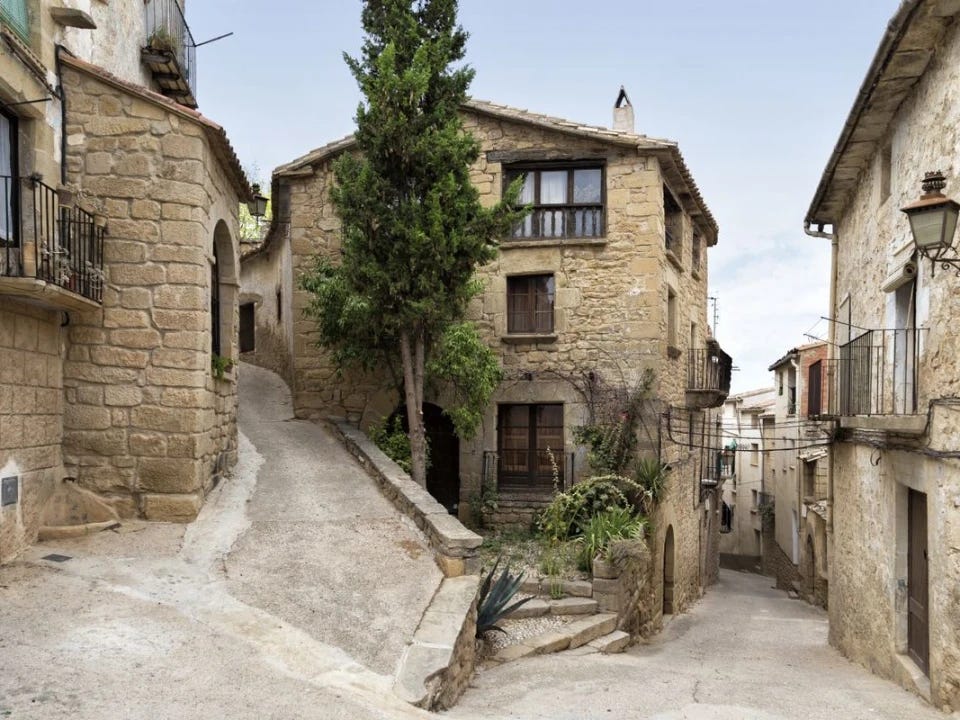
Over the past decade, Italy has been marketed abroad in two radically opposite - yet equally misleading - ways. On one side, there are the crime headlines and cautionary chronicles, the kind that make any foreign country feel intimidating if you only experience it through the news.
On the other, there is the glossy dream: television shows, lifestyle features and reality formats where charming villages appear frozen in time, renovation projects wrap up in weeks, and local builders speak fluent English while smiling patiently at confused newcomers.
Reality, as usual, lives somewhere else entirely.
The now-famous €1 homes story became the perfect container for this contradiction. For many Americans - especially Italian Americans - it sounded like the convergence of everything they were looking for: roots, beauty, affordability, reinvention. Add to that a steady stream of articles in major US media outlets, YouTube channels documenting “my Italian house journey,” and social media posts promising a simpler life, and the narrative was complete.
A house in Italy, for almost nothing. What could possibly go wrong?
Between headlines and happy endings
Recent news stories in Italy have reminded everyone that things can, in fact, go wrong. Judicial investigations linked to property schemes and renovation incentives have made headlines and inevitably reached international audiences. That is understandable - and, frankly, unavoidable. Every country has its share of bad actors, opportunists and outright fraud.
Italy is no exception. But Italy is also not unique.
If you invest in real estate remotely, without understanding the system, the language, the timelines and the culture, risk exists everywhere - from Florida to Portugal, from Mexico to Eastern Europe. The problem is not Italy. The problem is distance combined with illusion.
At the opposite extreme, popular reality shows and viral videos have created the impression that buying and restoring a home in Italy is mostly a lifestyle upgrade with a charming soundtrack. That you can land, pick a village, hire a contractor who speaks perfect English, and be sipping wine on your restored terrace before the season ends.
Anyone who has actually done it knows how fictional that picture is.
Italy is not hard - but it is real
Italy’s villages are not hostile places. They are not traps. They are not scams waiting to happen. But they are real.
Living in a small Italian town is not an “extended vacation.” It means adapting to local rhythms, limited services, regional differences, and a bureaucracy that values procedure over speed. Renovation projects involve layers of planning permission, historical constraints, technical surprises and delays that no television edit will ever show.
This does not mean things do not work. It means they work differently.
Projects in villages are slow. They often change course. Sometimes they stall. This is not failure - it is the baseline condition of working in historic, fragile contexts. What should raise red flags are promises of speed, simplicity and guaranteed outcomes.
Complexity is normal. Deception is not.
The real misunderstanding: investment before life
One of the most common mistakes made by foreign buyers - particularly Americans - is starting from the wrong question.
The question is not: “Is this house a good deal?”
The question should be: “Do I want to live here - and doing what?”
Italy is not a plug-and-play country. Where you live matters enormously. What you plan to do matters even more. A beautiful house in the wrong place, or without a clear life project, quickly turns into a distant, illiquid and stressful investment.
This is why the healthiest paths always look the same:
People come first to experience, not to buy.
They rent.
They stay for months, not weeks.
They test daily life outside the tourist season.
They deal with documents, residency, healthcare, visas, taxation - properly and legally.
Only after that does property begin to make sense.
Skipping this phase is how Italy turns from a life choice into “just another investment,” only farther away, harder to manage, and emotionally loaded.
Italy is affordable - not cheap
Another illusion worth dismantling is the idea of Italy as a bargain country.
Italy can be affordable. In many areas, you can still find extraordinary places where €100,000 goes a very long way. That is real. But affordability does not mean cheap, and it certainly does not mean effortless.
Italy is not a cultural outlet store. It is not a clearance sale of landscapes, food and identity.
Places are affordable precisely because they ask for something in return: time, commitment, presence, adaptation. When Italy is approached as a discount opportunity, expectations inflate and disappointment follows.
And disappointment, everywhere in the world, attracts the wrong incentives.
Less social media, more soil under your shoes
Social media is not the enemy. But it is a terrible decision-making tool.
What Italy asks for is presence. Walking the streets in February, not August. Standing in line at a local office. Learning how people actually live, work, complain and cooperate.
Less scrolling. More listening.
This is why, whenever I speak with people considering a move or an investment, I always suggest the same thing: do not start with the house. Start with the place. With the community. With the question of what that location can offer you - and what you can realistically offer in return.
Only then does real integration begin.
Roots, health, rhythm - and then value
For many Italian Americans, this journey is also about rediscovering roots. That adds depth and emotion, but also responsibility. Returning to a place of ancestry is not about recreating a postcard from the past. It is about becoming part of a present.
Italy can offer extraordinary improvements in quality of life: food, rhythm, relationships, proximity, meaning. For many, it also brings tangible benefits in health and wellbeing. These are not secondary outcomes - they are often the real return on investment.
Economic value can follow. Many people build successful projects, businesses and properties over time. But that value grows slowly, from engagement, not from shortcuts.
Not fear - discernment
So, should people be afraid of €1 homes, village projects or small-town Italy? No.
But they should be discerning.
Italy is neither a crime scene nor a fairy tale. It is a complex, generous, demanding country that gives back in proportion to what you put in - not to what you expect to extract.
Do not let headlines scare you away. But do not arrive as easy prey either.
Italy rewards those who come prepared, curious and grounded. Those who treat it not as a deal, but as a relationship.
Because in the end, whether a house costs one euro or one hundred thousand, the real investment is the same everywhere:
Your time.
Your presence.
Your life.
And that is not something you should ever buy on impulse.
Oltre l’illusione delle case a 1 euro
Perché l’Italia non è un outlet - e perché la vita viene prima dell’investimento
Negli ultimi dieci anni l’Italia è stata raccontata all’estero in due modi radicalmente opposti - eppure ugualmente fuorvianti.
Da un lato ci sono i titoli di cronaca nera e i resoconti allarmistici, quelli che rendono qualunque Paese intimidatorio se lo si conosce solo attraverso le notizie.
Dall’altro c’è il sogno patinato: programmi televisivi, servizi lifestyle e format reality in cui borghi affascinanti sembrano sospesi nel tempo, i lavori di ristrutturazione si concludono in poche settimane e i muratori locali parlano un inglese impeccabile, sorridendo pazientemente a nuovi arrivati un po’ spaesati.
La realtà, come spesso accade, vive da tutt’altra parte.
La ormai celebre storia delle case a 1 euro è diventata il contenitore perfetto di questa contraddizione. Per molti americani - in particolare per gli italo-americani - sembrava la convergenza di tutto ciò che stavano cercando: radici, bellezza, accessibilità, reinvenzione. A questo si è aggiunto un flusso costante di articoli sui principali media statunitensi, canali YouTube che raccontano “il mio viaggio verso la casa in Italia” e post sui social che promettono una vita più semplice. La narrazione era completa.
Una casa in Italia, quasi gratis. Cosa potrebbe mai andare storto?
Tra titoli di giornale e lieto fine
Le recenti notizie in Italia hanno ricordato a tutti che sì, le cose possono andare storte. Indagini giudiziarie legate a schemi immobiliari e incentivi alle ristrutturazioni sono finite sui giornali e hanno inevitabilmente raggiunto anche il pubblico internazionale. È comprensibile - e, francamente, inevitabile. Ogni Paese ha la sua quota di cattivi attori, opportunisti e vere e proprie frodi.
L’Italia non fa eccezione. Ma l’Italia non è nemmeno un caso unico.
Se si investe nel settore immobiliare a distanza, senza comprendere il sistema, la lingua, le tempistiche e la cultura, il rischio esiste ovunque — dalla Florida al Portogallo, dal Messico all’Europa orientale. Il problema non è l’Italia. Il problema è la distanza, combinata con l’illusione.
All’estremo opposto, reality show popolari e video virali hanno creato l’impressione che comprare e restaurare una casa in Italia sia soprattutto un upgrade di stile di vita, con una colonna sonora affascinante. Atterri, scegli un borgo, assumi un’impresa che parla un inglese perfetto e, prima della fine della stagione, sorseggi vino sulla terrazza appena restaurata.
Chi lo ha fatto davvero sa quanto questa immagine sia fittizia.
L’Italia non è difficile, ma è reale
I borghi italiani non sono luoghi ostili. Non sono trappole. Non sono truffe in attesa di accadere. Ma sono reali.
Vivere in un piccolo paese italiano non è una “vacanza prolungata”. Significa adattarsi a ritmi locali, servizi limitati, differenze regionali e a una burocrazia che privilegia la procedura rispetto alla velocità. I progetti di ristrutturazione comportano livelli di permessi, vincoli storici, imprevisti tecnici e ritardi che nessun montaggio televisivo mostrerà mai.
Questo non significa che le cose non funzionino. Significa che funzionano in modo diverso.
I progetti nei borghi sono lenti. Spesso cambiano direzione. A volte si fermano. Questo non è un fallimento — è la condizione di base quando si lavora in contesti storici e fragili. Ciò che dovrebbe far scattare l’allarme sono le promesse di velocità, semplicità e risultati garantiti.
La complessità è normale. L’inganno no.
Il vero fraintendimento: l’investimento prima della vita
Uno degli errori più comuni dei compratori stranieri - in particolare americani - è partire dalla domanda sbagliata.
La domanda non è: “È un buon affare questa casa?”
La domanda dovrebbe essere: “Voglio vivere qui - e facendo cosa?”
L’Italia non è un Paese plug-and-play. Dove si vive conta enormemente. Ciò che si intende fare conta ancora di più. Una casa bellissima nel posto sbagliato, o senza un progetto di vita chiaro, diventa rapidamente un investimento distante, illiquido e fonte di stress.
Per questo i percorsi più sani si assomigliano sempre:
Si viene prima per fare esperienza, non per comprare.
Si affitta.
Si resta per mesi, non per settimane.
Si prova la vita quotidiana fuori dalla stagione turistica.
Si affrontano documenti, residenza, sanità, visti, tassazione — in modo corretto e legale.
Solo dopo l’immobile inizia ad avere senso.
Saltare questa fase è il modo in cui l’Italia passa da scelta di vita a “semplice investimento”, solo più lontano, più difficile da gestire e carico emotivamente.
L’Italia è accessibile, non economica
Un’altra illusione da smontare è l’idea dell’Italia come Paese low-cost.
L’Italia può essere accessibile. In molte aree si trovano ancora luoghi straordinari dove 100.000 euro valgono moltissimo. È vero. Ma accessibile non significa economico, e certamente non significa facile.
L’Italia non è un outlet culturale. Non è una svendita di paesaggi, cibo e identità.
I luoghi sono accessibili proprio perché chiedono qualcosa in cambio: tempo, impegno, presenza, adattamento. Quando l’Italia viene approcciata come un’occasione scontata, le aspettative si gonfiano e la delusione arriva.
E la delusione, ovunque nel mondo, attira gli incentivi sbagliati.
Meno social, più terra sotto le scarpe
I social media non sono il nemico. Ma sono un pessimo strumento per prendere decisioni.
Ciò che l’Italia chiede è presenza. Camminare per le strade a febbraio, non ad agosto. Fare la fila in un ufficio locale. Imparare come le persone vivono davvero, lavorano, si lamentano e collaborano.
Meno scroll. Più ascolto.
Per questo, quando parlo con chi sta valutando un trasferimento o un investimento, suggerisco sempre la stessa cosa: non partire dalla casa. Parti dal luogo. Dalla comunità. Dalla domanda su cosa quel posto può offrirti — e su cosa tu puoi realisticamente offrire in cambio.
Solo allora inizia la vera integrazione.
Radici, salute, ritmo e poi valore
Per molti italo-americani questo percorso è anche una riscoperta delle proprie radici. Questo aggiunge profondità ed emozione, ma anche responsabilità. Tornare in un luogo di origine non significa ricreare una cartolina del passato. Significa entrare a far parte di un presente.
L’Italia può offrire miglioramenti straordinari nella qualità della vita: cibo, ritmo, relazioni, prossimità, senso. Per molti porta anche benefici concreti in termini di salute e benessere. Questi non sono effetti collaterali — spesso sono il vero ritorno sull’investimento.
Il valore economico può arrivare. Molte persone costruiscono nel tempo progetti, imprese e patrimoni di successo. Ma quel valore cresce lentamente, dall’impegno, non dalle scorciatoie.
Non paura, discernimento
Quindi, bisogna avere paura delle case a 1 euro, dei progetti nei borghi o dell’Italia dei piccoli centri? No.
Ma bisogna essere lucidi.
L’Italia non è né una scena del crimine né una fiaba. È un Paese complesso, generoso ed esigente, che restituisce in proporzione a ciò che gli si dà — non a ciò che si pensa di estrarre.
Non lasciarti spaventare dai titoli. Ma non arrivare nemmeno come preda facile.
L’Italia premia chi arriva preparato, curioso e con i piedi per terra. Chi la tratta non come un affare, ma come una relazione.
Perché alla fine, che una casa costi un euro o centomila, il vero investimento è sempre lo stesso, ovunque:
Il tuo tempo.
La tua presenza.
La tua vita.
E non è qualcosa che dovresti mai comprare d’impulso.