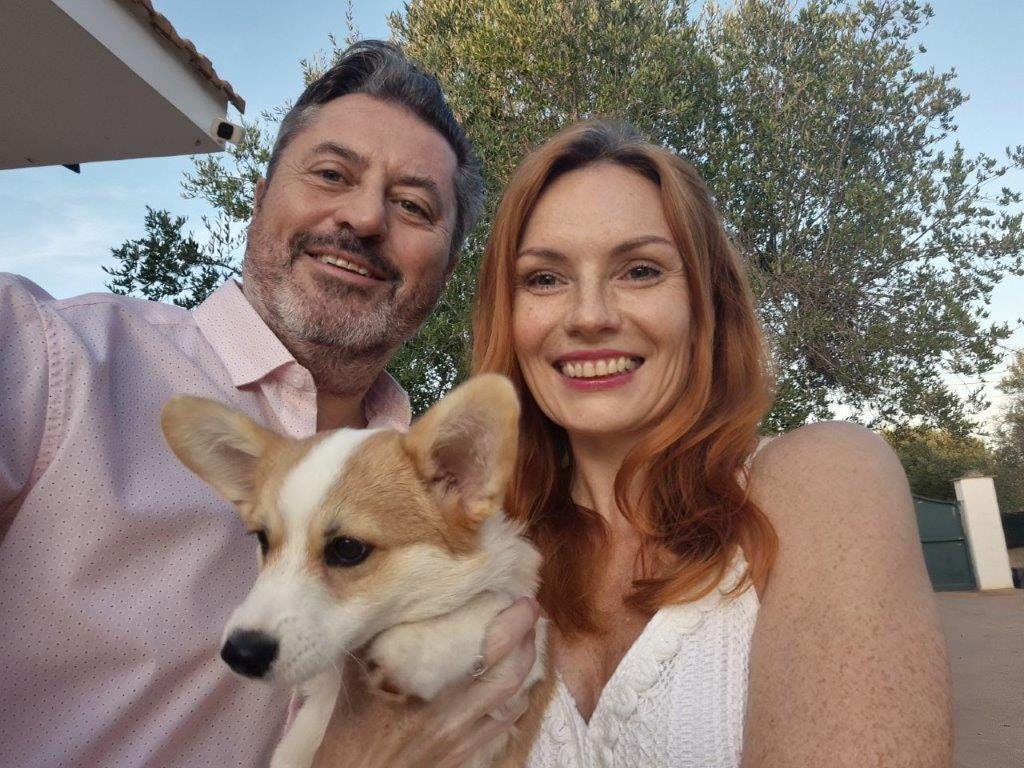
Carl’s Unexpected Path South - The 'story' of Carl and Elen O’Connell (from UK to Puglia)
By Unlock Puglia
On the Unlock Puglia Instagram channel we regularly interview people from all over the world who have built a life in Puglia. Through this series of articles, we are going to share these fascinating stories.
Il percorso inatteso di Carl verso il Sud – Carl O’Connell (UK)
Il trasferimento di Carl in Puglia non è iniziato come nelle brochure patinate: nessuna fantasia da cartolina, nessuna fuga romantica alla “sud improvvisato”. È iniziato con un contratto, un avvocato, e un termine giuridico che non aveva mai sentito pronunciato in vita sua: enfiteusi.
Un retaggio secolare, ancora incastrato in qualche proprietà rurale, e il motivo per cui lui e la sua partner – almeno all’inizio – non potevano diventare ufficialmente proprietari della loro casa.
“Ti immagini già come ristrutturare,” racconta, “ma legalmente non puoi toccare nulla.”
Eppure, per Carl, questi imprevisti non sono stati ostacoli insormontabili. Piuttosto una sorta di commento in tempo reale sul modo italiano di fare le cose: imprevedibile, umano, e – in qualche modo – funzionante.
“La burocrazia nel Regno Unito è un limbo di call centre. Qui almeno fai una fila, ti guardano negli occhi, e alla fine qualcuno ti aiuta.”
Anche se, nel suo caso, è servito prima convincere l’ufficio locale che l’Estonia è effettivamente nell’Unione Europea.
Vivere come non residenti ha significato improvvisare: niente domiciliazione bancaria per il gas, nessuna tessera sanitaria, nessun modo semplice per fare controlli di routine.
“Tutti ti dicono ‘È semplice’, ma nessuno ti dà il primo numero da chiamare.”
Eppure, un modo si trova sempre, e Carl insiste: la maggior parte delle persone prova davvero ad aiutarti.
Il lavoro non è stato un problema. La sua attività è online, e le uniche vere interruzioni sono i blackout programmati, annunciati con biglietti scritti a mano infilati nella cassetta della posta.
“Impari a parcheggiare l’auto fuori dal cancello elettrico, per sicurezza.”
La sorpresa più grande, però, non sono stati gli ostacoli, ma la velocità con cui la Puglia è diventata casa. Le cene, gli incontri d’inverno, quel mix di expat e residenti, un ritmo più lento ma più pieno.
Carl ha ricominciato a scrivere musica, tornando a una creatività che nel Regno Unito aveva pian piano messo da parte.
E dunque, lo rifarebbe?
“Al cento per cento. Non sono sicuro che vorremmo mai tornare indietro.”
Non perché la vita in Puglia sia perfetta – non lo è – ma perché per Carl la bilancia ormai pende dall’altra parte: i disagi sono temporanei, la qualità della vita no.
Aggiornamento: dopo mesi di lavoro legale, Carl e la sua partner sono ora proprietari ufficiali della loro casa. L’enfiteusi è stata completamente risolta.
Nota (a cura di ): L’enfiteusi è un istituto giuridico del diritto civile italiano con cui il proprietario di un terreno concede a un altro soggetto (l’enfiteuta) il diritto di usarlo e migliorarlo, in cambio del pagamento di un canone periodico e dell’obbligo di valorizzare il bene. L’enfiteuta ha poteri molto ampi—quasi come un proprietario—può coltivare, costruire, affittare e perfino cedere il proprio diritto. Il rapporto può essere perpetuo o a lungo termine, e può terminare solo con la “redenzione”, cioè quando l’enfiteuta paga una somma prestabilita e diventa proprietario pieno del bene.
Carl’s Unexpected Path South - Carl O’Connell (UK)
On the Unlock Puglia Instagram channel we regularly interview people from all over the world who have built a life in Puglia. Through this series of articles, we are going to share these fascinating stories.
Carl’s move to Puglia didn’t begin with a dreamy postcard fantasy. It began with a contract, a lawyer, and a land right he’d never heard of, enfiteusi. A centuries-old bureaucratic quirk still occasionally attached to rural properties, and the reason he and his partner couldn’t officially own their house. “You plan renovations in your head,” he says, “but legally you can’t touch a thing.”
Yet for Carl, the surprises haven’t been deal-breakers. More like a running commentary on the Italian way: unpredictable, human, strangely workable. “Bureaucracy in the UK is call-centre limbo. Here at least you can stand in a queue, get looked in the eye, and eventually someone helps you.” Even if, in his case, the local office first needed convincing that Estonia is in the EU.
Life as non-residents has meant improvising, no direct debit for gas, no healthcare card, no easy way to get routine checkups. “Everyone says, ‘Oh it’s simple,’ but no one tells you the first number you’re meant to call.” Still, there’s always a workaround, and Carl insists most people genuinely try to help.
Work hasn’t been the issue. His business is online, and the only real interruptions are the scheduled power cuts announced by handwritten slips in the mailbox. “You learn to park the car outside the electric gate just in case.”
What has surprised him most isn’t the hurdles but how quickly Puglia became home. The dinners, the winter gatherings, the blend of expats and locals, the rhythm that’s slower but fuller. He’s writing music again, reconnecting with a creative life he’d sidelined in the UK.
So, would he do it again? “One hundred percent. I’m not sure we’d ever want to go back.”
Not because life in Puglia is perfect, it isn’t. But because for Carl, the balance has shifted: the inconveniences are temporary, and the quality of life isn’t.
Update: After months of legal work, Carl and his partner now officially own their home, the enfiteusi has been fully resolved.
Note (by ): Emphyteusis is a civil-law concept under which the owner of a piece of land grants another party (the “emphyteuta”) a long-term or perpetual right to use and improve it. In exchange, the emphyteuta pays an annual fee and must enhance the value or productivity of the property. The emphyteuta enjoys rights similar to those of an owner—such as cultivating, building, leasing, or transferring their emphyteutic right. The arrangement can end through “redemption,” when the emphyteuta pays a fixed amount and becomes the full owner of the property. Similar to the English Long Lease (but not exactly the same).