
Da Torino a Copenhagen (e ritorno): scegliere una vita che non corra sempre davanti a te
From Turin to Copenhagen (and Back): Choosing a Life That Doesn’t Always Run Ahead of You
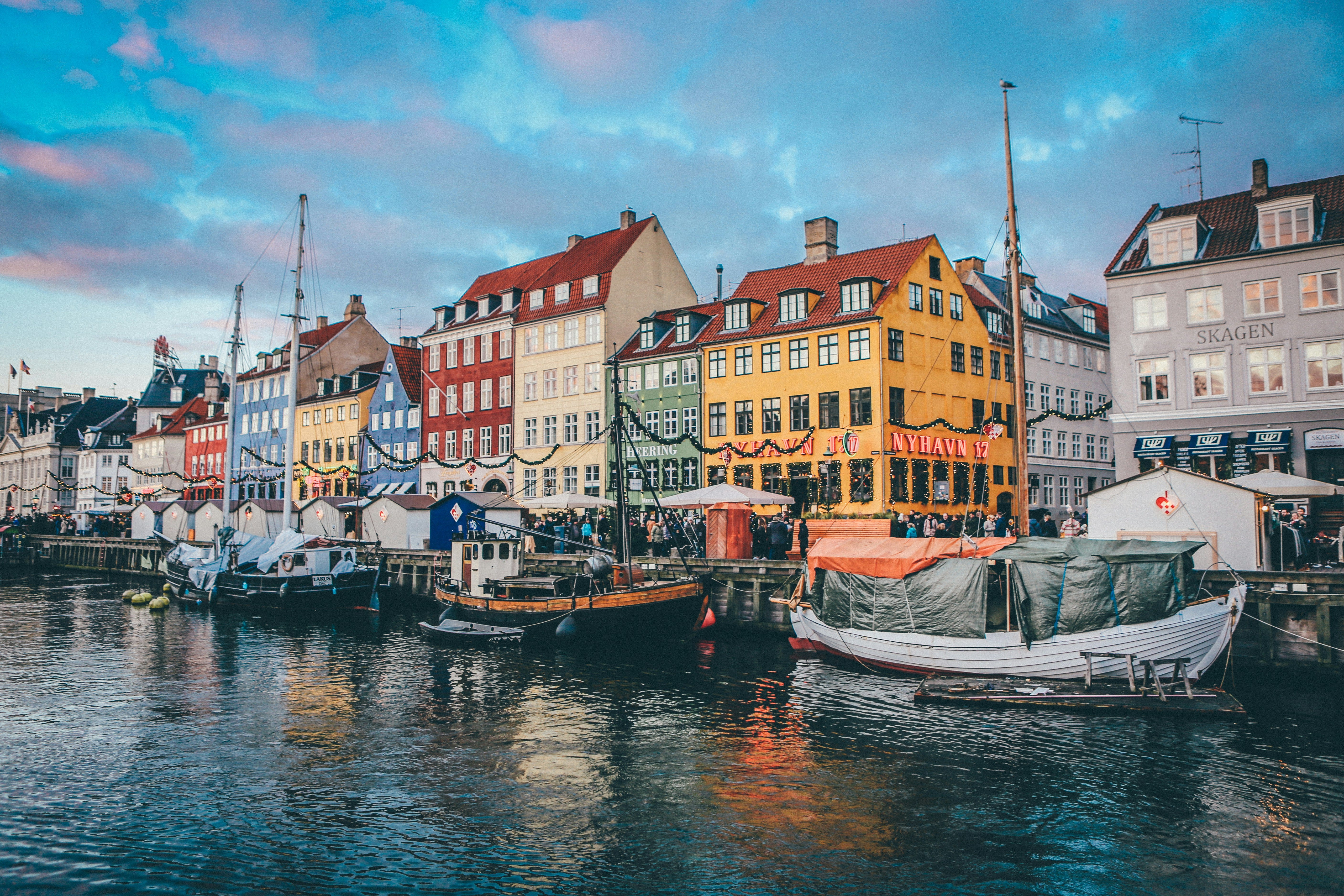
Quando Laura lasciò Torino nel 2012, lo fece senza clamore.
Un’offerta di lavoro a Copenhagen come UX designer in una grande azienda tech europea. Un contratto solido, un ambiente internazionale, la promessa — implicita ma potentissima — di una vita che finalmente “funziona”.
La Danimarca era tutto ciò che l’Italia non sembrava essere in quel momento: efficiente, lineare, prevedibile.
Orari rispettati, uffici luminosi, biciclette ovunque. Anche la felicità sembrava avere una sua architettura precisa.
Gli anni passarono veloci.
Arrivarono i progetti importanti, le promozioni, un team da coordinare. Arrivò anche Mikkel. E poi un figlio, Jonas, nato in un ospedale dove tutto era perfetto — forse persino troppo.
Torino, intanto, restava sullo sfondo.
Un luogo delle feste comandate, dei pranzi di famiglia compressi in due giorni, delle passeggiate nostalgiche sotto i portici. Ogni ritorno era bello, ma stancante. Come visitare una vita che non era più la tua.
Le domande che non fanno rumore, ma restano
Non ci fu una rottura.
Nessuna crisi, nessun burnout da raccontare su LinkedIn.
Solo pensieri che tornavano, sempre uguali:
“Perché tutto è così ordinato, ma io mi sento sempre in ritardo?”
“Quando è diventato normale programmare anche il tempo libero?”
“È davvero questa la tranquillità che cercavo?”
Domande silenziose. Ma ostinate.
La differenza tra comfort e appartenenza
Laura non ha mai rinnegato Copenhagen.
Lì ha imparato a lavorare meglio, a rispettare i tempi, a dire no senza sensi di colpa. Ma col tempo ha capito una cosa semplice e difficile da ammettere: il comfort non è automaticamente appartenenza.
Mancavano le conversazioni che nascono senza un motivo.
Mancava l’imprevisto.
Mancava quella sensazione — inefficiente, irrazionale — di sentirsi parte di qualcosa anche quando non tutto funziona.
Tornare non è tornare indietro
Il ritorno non è stato un gesto romantico.
È stato pratico, ponderato, adulto.
Laura oggi lavora da remoto per clienti internazionali. Mikkel ha cambiato settore. Jonas parla due lingue e sa che il mondo non finisce ai confini di un Paese.
Hanno scelto una cittadina del Piemonte, non il centro, non la cartolina. Una casa semplice, una scuola pubblica, una vita meno levigata — ma più loro.
Non sono tornati per “rallentare”.
Sono tornati per sentire il tempo.
Perché puoi vivere in un posto dove tutto è al posto giusto.
Ma scegliere un luogo dove anche tu lo sei — quella è un’altra cosa.
When Laura left Turin in 2012, she did it quietly.
A job offer in Copenhagen as a UX designer for a major European tech company. A solid contract, an international environment, and the unspoken promise of a life that finally works.
Denmark felt like the opposite of Italy at the time: efficient, linear, predictable.
Working hours were respected. Offices were bright. Bikes everywhere. Even happiness seemed carefully designed.
Years passed quickly.
Big projects, promotions, a team to lead. Then Mikkel. Then a son, Jonas, born in a hospital where everything worked perfectly — perhaps a little too perfectly.
Meanwhile, Turin stayed in the background.
A place for holidays, compressed family lunches, nostalgic walks under the arcades. Every visit was beautiful, but exhausting — like visiting a life that was no longer yours.
The questions that don’t shout, but linger
There was no breaking point.
No crisis. No burnout post to write.
Just the same thoughts returning, quietly:
“Why does everything run so smoothly, yet I always feel behind?”
“When did it become normal to schedule even free time?”
“Is this really the calm I was looking for?”
Silent questions. Persistent ones.
The difference between comfort and belonging
Laura never rejected Copenhagen.
It taught her how to work better, respect boundaries, say no without guilt. But over time she understood something simple and uncomfortable: comfort doesn’t automatically mean belonging.
She missed conversations that happen for no reason.
She missed unpredictability.
She missed that inefficient, irrational feeling of being part of something — even when not everything works.
Going back is not going backwards
The return wasn’t romantic.
It was practical. Considered. Adult.
Laura now works remotely for international clients. Mikkel changed fields. Jonas grows up bilingual, knowing the world doesn’t end at one country’s borders.
They chose a small town in Piedmont — not the centre, not the postcard version. A modest house, a public school, a life less polished — but more theirs.
They didn’t return to slow down.
They returned to feel time again.
Because you can live in a place where everything is in the right place.
But choosing a place where you are — that’s something else entirely.