



ITS ITALY, partner istituzionale dell’Hospitality Club International Summit by Medelhan, ha preso parte a una giornata di confronto internazionale su come ospitalità, architettura, placemaking e investimenti possano preservare il patrimonio, generare lavoro e coinvolgere le comunità locali.
L’Hospitality Club International Summit by Medelhan, svoltosi tra Milano e il Lago di Como, ha rappresentato molto più di un appuntamento dedicato all’hospitality di alta gamma. Per ITS ITALY, partner istituzionale dell’iniziativa fin dal suo avvio, è stato soprattutto un momento di confronto sul futuro dei territori italiani e mediterranei, sul valore del patrimonio esistente e sul ruolo che design, architettura, ospitalità e investimenti possono avere nella costruzione di nuove economie locali.
Il summit ha riunito a Milano professionisti internazionali del mondo alberghiero, del real estate, del design, dell’architettura e dello sviluppo territoriale, con un programma di panel e conversazioni dedicato al tema “Hospitality & Lifestyle Developments in the Mediterranean: The Lake Como Case and Beyond”. Il Lago di Como è stato certamente uno dei casi studio centrali, così come Milano si è confermata piattaforma internazionale di incontro tra capitali, creatività e competenze, ma il vero orizzonte del confronto è stato più ampio: il Mediterraneo come spazio culturale, economico e progettuale nel quale la qualità dell’ospitalità può diventare uno strumento di valorizzazione del territorio.
In questa prospettiva, il tema non è soltanto il lusso, o almeno non lo è nel senso più superficiale del termine. Si è parlato di hotel e residenze, branded hospitality, wellness, restauro e nuovi investimenti, ma anche di bellezza, artigianalità, comunità locali, lavoro qualificato e responsabilità nei confronti dei luoghi. L’Italia possiede un patrimonio straordinario, ma questo patrimonio non può essere semplicemente conservato come un’immagine da cartolina: deve essere curato, reso vivo, abitato, gestito e trasformato con intelligenza, evitando sia l’abbandono sia lo sfruttamento privo di visione.
È proprio qui che l’hospitality può svolgere un ruolo decisivo. Un progetto ben pensato non crea soltanto camere, ristoranti o servizi per viaggiatori internazionali, ma può generare occupazione, attivare filiere locali, coinvolgere artigiani, produttori, progettisti, scuole, fornitori e comunità. Può recuperare edifici, valorizzare competenze, portare nuova energia in aree fragili o mature e trasformare l’esperienza dell’ospite in una relazione più autentica con il territorio.
La partecipazione di ITS ITALY nasce da questa convinzione e da una passione concreta per ciò che si può costruire in Italia quando competenze diverse lavorano insieme. Il ruolo istituzionale nell’iniziativa si è accompagnato anche a un coinvolgimento diretto durante la giornata, con Matteo Cerri impegnato in prima persona nella moderazione di gran parte dei panel, contribuendo a guidare il dialogo tra operatori internazionali, designer, architetti, investitori e protagonisti dell’hospitality.
L’Hospitality Club International Summit ha mostrato che il futuro dell’ospitalità mediterranea non riguarda soltanto grandi capitali o destinazioni iconiche, ma anche il modo in cui scegliamo di preservare e reinterpretare il bello, generare valore duraturo e costruire opportunità per le comunità che rendono quei luoghi vivi. Ed è proprio questa, per ITS ITALY, la ragione più profonda per continuare a sostenere iniziative capaci di collegare visione internazionale e radicamento nei territori italiani, perché il lavoro sull’hospitality, quando è fatto con responsabilità e qualità, può creare valore per tutto il nostro Paese.
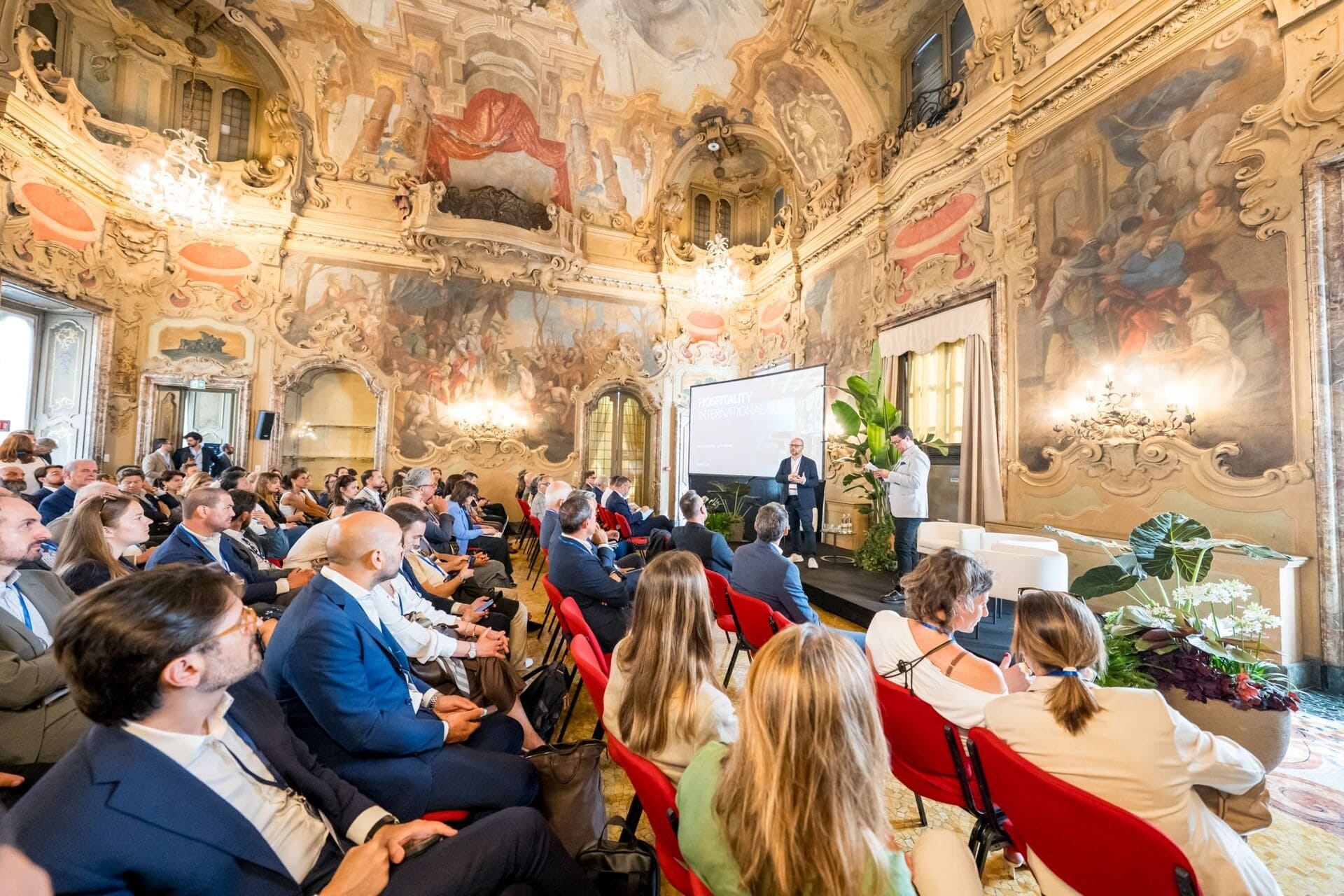
As institutional partner of the Hospitality Club International Summit by Medelhan, ITS ITALY joined an international conversation on how hospitality, architecture, placemaking and investment can preserve heritage, generate employment and involve local communities.
The Hospitality Club International Summit by Medelhan, held between Milan and Lake Como, was much more than a high-level event dedicated to premium hospitality. For ITS ITALY, institutional partner of the initiative from the very beginning, it was above all an opportunity to reflect on the future of Italian and Mediterranean territories, on the value of existing heritage, and on the role that design, architecture, hospitality and investment can play in creating new local economies.
The summit brought together in Milan international professionals from hospitality, real estate, design, architecture and destination development, with a programme of panels and conversations dedicated to the theme “Hospitality & Lifestyle Developments in the Mediterranean: The Lake Como Case and Beyond.” Lake Como was certainly one of the central case studies, while Milan once again confirmed its role as an international platform where capital, creativity and expertise can meet, but the real horizon of the discussion was broader: the Mediterranean as a cultural, economic and design landscape in which quality hospitality can become a tool for territorial regeneration.
From this perspective, the conversation was not simply about luxury, or at least not in the most superficial sense of the word. The summit addressed hotels and residences, branded hospitality, wellness, restoration and new investment, but also beauty, craftsmanship, local communities, qualified employment and responsibility towards places. Italy has an extraordinary heritage, but this heritage cannot simply be preserved as a postcard image: it must be cared for, brought back to life, inhabited, managed and transformed intelligently, avoiding both abandonment and development without vision.
This is where hospitality can play a decisive role. A well-conceived project does not simply create rooms, restaurants or services for international travellers. It can generate employment, activate local supply chains, involve craftspeople, producers, designers, schools, suppliers and communities. It can recover buildings, enhance skills, bring new energy to fragile or mature destinations, and turn the guest experience into a more authentic relationship with the territory.
The participation of ITS ITALY stems from this belief and from a genuine passion for what can be built in Italy when different skills work together. The institutional role in the initiative was also matched by direct involvement throughout the day, with Matteo Cerri personally engaged in moderating a large part of the panel programme and helping guide the dialogue between international operators, designers, architects, investors and hospitality leaders.
The Hospitality Club International Summit showed that the future of Mediterranean hospitality is not only about major capital flows or iconic destinations. It is also about how we choose to preserve and reinterpret beauty, generate long-term value and create opportunities for the communities that keep those places alive. For ITS ITALY, this is the deeper reason to continue supporting initiatives capable of connecting international vision with a strong commitment to Italian territories, because hospitality, when developed with responsibility and quality, can create value for Italy as a whole.