
Green Restoration Is Not a Trend. It’s Italy’s Real Competitive Advantage
Il restauro green non è una moda. È il vero vantaggio competitivo dell’Italia

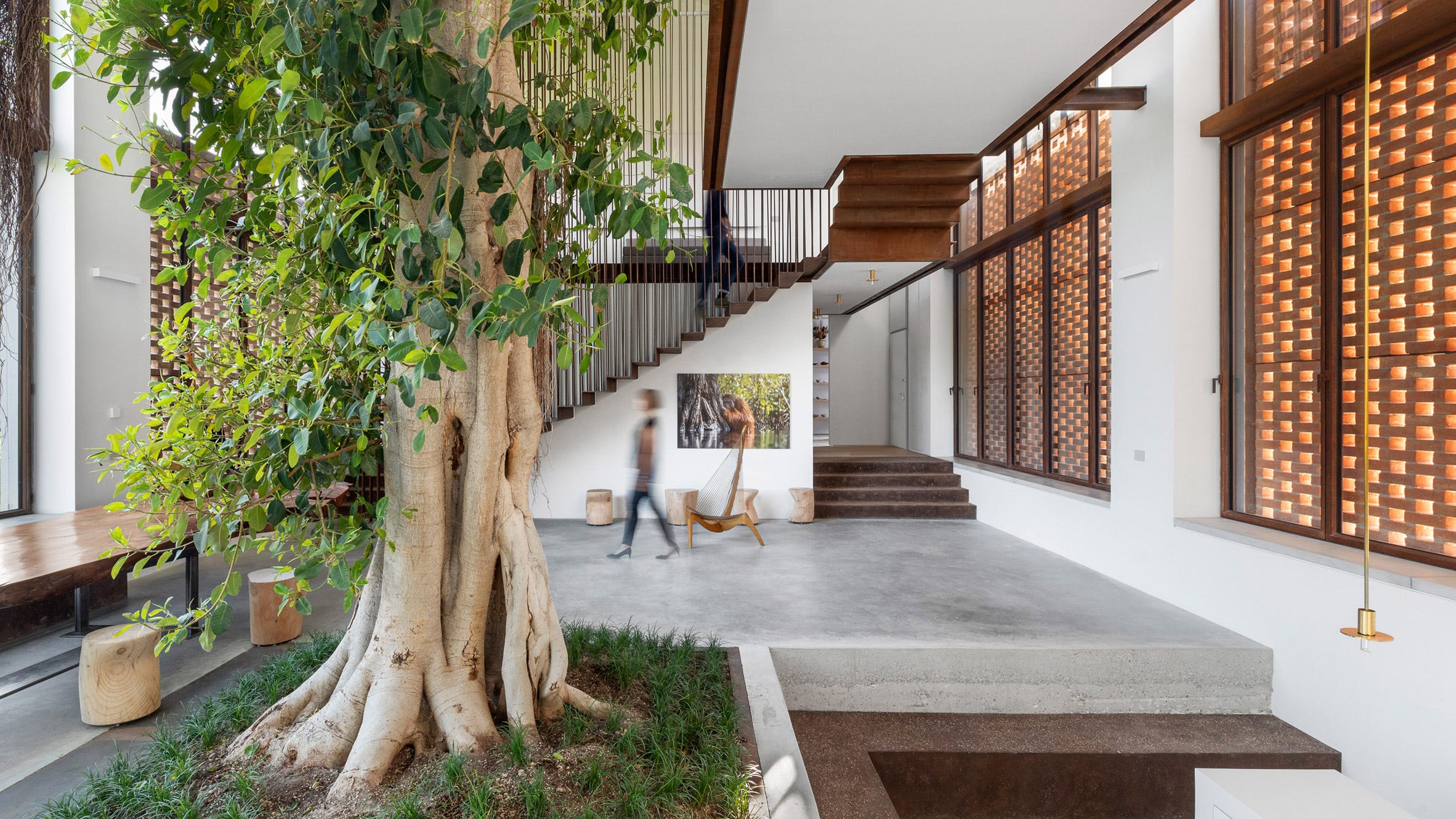
Dalle nanotecnologie alle pompe di calore, il patrimonio esistente diventa il cuore della transizione ecologica. E forse anche della rigenerazione dei territori.
C’è un’Italia che non costruisce nuovo, ma ripensa quello che già esiste. E lo fa meglio di chiunque altro.
Il report “100 Italian Green Architectural Conservation Stories”, promosso da Fondazione Symbola insieme a Fassa Bortolo e ad altri partner istituzionali, racconta proprio questo: un ecosistema fatto di imprese, ricerca e competenze che sta trasformando il restauro in uno dei pilastri della transizione ecologica.
Non è un tema tecnico. È un tema strategico.
Perché mentre gran parte del dibattito europeo continua a oscillare tra nuove costruzioni, consumo di suolo e rigenerazioni spesso solo teoriche, l’Italia ha già un modello sotto gli occhi: lavorare sul patrimonio esistente, migliorandone prestazioni energetiche, sicurezza e qualità, senza snaturarne identità e valore.
È esattamente qui che il restauro smette di essere conservazione e diventa innovazione.
Le cento storie raccolte nel report mostrano una filiera che unisce tradizione e ricerca avanzata. Non è nostalgia. È tecnologia applicata a ciò che già abbiamo.
Si parla di biopulitura attraverso microrganismi, di nanotecnologie capaci di intervenire sulle superfici senza danneggiarle, di geopolimeri come alternativa più sostenibile al cemento. Si parla di sistemi elettrofisici contro l’umidità di risalita, di sensori che monitorano in tempo reale lo stato degli edifici, di illuminazione intelligente e a basso consumo.
E poi c’è l’energia. Pompe di calore, impianti ibridi, integrazione di rinnovabili anche in contesti storici. Non come compromesso, ma come evoluzione naturale.
Il punto, però, è un altro.
Questo non è solo un settore che funziona. È un settore che può ridefinire il ruolo dei territori.
Perché se il restauro diventa leva di innovazione, allora i borghi, i centri storici, le aree interne non sono più un problema da gestire, ma un asset da attivare.
È lo stesso principio che vediamo nei progetti di rigenerazione diffusa: non serve costruire nuove città, serve rendere vivibili, efficienti e desiderabili quelle che già esistono.
E qui l’Italia parte in vantaggio.
Non solo per il patrimonio – che è evidente – ma per la densità di competenze. Imprese specializzate, laboratori di ricerca, università, progettisti: una filiera completa che pochi altri Paesi possono mettere insieme.
Il rischio, semmai, è un altro: continuare a raccontare tutto questo come un insieme di eccellenze isolate, invece che come una strategia Paese.
Perché se il restauro green resta un racconto, perde valore. Se diventa politica industriale, cambia le regole del gioco.
Il report di Symbola dice chiaramente che la riqualificazione del costruito sarà sempre più centrale. Non solo per motivi ambientali, ma anche economici e sociali.
E qui entra in gioco un tema che conosciamo bene: la rigenerazione non è solo edilizia. È abitabilità, servizi, lavoro, comunità.
Un edificio restaurato ma vuoto non rigenera nulla.
Ma un patrimonio recuperato, energeticamente efficiente, inserito in un contesto vivo e connesso, diventa infrastruttura. E quindi futuro.
Il restauro green, in questo senso, non è un segmento dell’edilizia.
È uno dei pochi punti in cui sostenibilità, identità e sviluppo possono davvero incontrarsi.
E forse è anche uno dei pochi ambiti in cui l’Italia non deve inseguire nessuno.
From nanotechnology to heat pumps, Italy’s existing heritage is becoming the backbone of ecological transition—and potentially of territorial regeneration.
There is an Italy that doesn’t build new—it rethinks what already exists. And it does it better than most.
The report “100 Italian Green Architectural Conservation Stories”, promoted by Fondazione Symbola together with Fassa Bortolo and institutional partners, highlights an ecosystem where restoration is no longer just about preservation, but a key driver of innovation within the ecological transition.
This is not a technical niche. It’s a strategic direction.
While much of Europe still debates new developments versus land consumption, often struggling to turn regeneration into something concrete, Italy already has a working model: upgrading existing buildings, improving energy performance and resilience, without compromising identity.
That’s where restoration shifts from conservation to innovation.
The report collects one hundred experiences across a highly specialized supply chain—companies, research centers, universities—combining traditional knowledge with advanced technologies.
We’re talking about bio-cleaning using microorganisms, nanotechnology treatments that preserve surfaces, geopolymer materials as lower-impact alternatives to cement. We’re talking about electro-physical systems to tackle rising damp, real-time monitoring through sensors, smart lighting systems.
And energy is a key part of the equation: hybrid systems, heat pumps, renewable integration even within historical buildings.
But the real point goes beyond technology.
This is not just a sector that works. It’s a sector that can reshape territories.
If restoration becomes an innovation lever, then villages, historic centers, and inner areas are no longer liabilities—they become assets.
It aligns with a broader idea of distributed regeneration: we don’t need new cities, we need to make existing ones livable, efficient, and attractive again.
And here, Italy holds a clear advantage.
Not only because of its heritage—but because of its ecosystem of skills. Specialized firms, research hubs, academic institutions, designers: a complete value chain that very few countries can replicate.
The real risk is different.
To keep treating these as isolated excellence stories rather than a coherent national strategy.
Because if green restoration remains storytelling, it stays marginal. If it becomes industrial policy, it can redefine the future of construction, sustainability, and regional development.
The Symbola report makes it clear: upgrading existing buildings will become central—not only environmentally, but economically and socially.
And this connects to a broader insight.
Regeneration is not just about buildings. It’s about livability, services, work, and community.
A restored building that remains empty regenerates nothing.
But when heritage is upgraded, energy-efficient, and embedded in a functioning local ecosystem, it becomes infrastructure—and therefore, future.
Green restoration is not just a segment of the construction industry.
It’s one of the few spaces where sustainability, identity, and development truly converge.
And perhaps one of the few where Italy doesn’t need to catch up—but simply recognize what it already is.