
In viaggio fermandosi ogni 5 km: dove l'Italia rivela la sua bellezza (e qualche proposta per farla sopravvivere)
Travelling Across Italy by Stopping Every 5 Kilometres: Where the Country Reveals Its Beauty (and a Few Proposals to Help It Survive)
Nei ‘borghi’ (e in generale in tutti i piccoli comuni) l’ospitalità non è un’industria: è ciò che permette ai paesi di esistere, accogliere, rigenerarsi.
Attraversare l’Italia in auto, lavorando tra un progetto e l’altro, significa vivere un’esperienza che difficilmente si può descrivere a chi non la fa davvero.
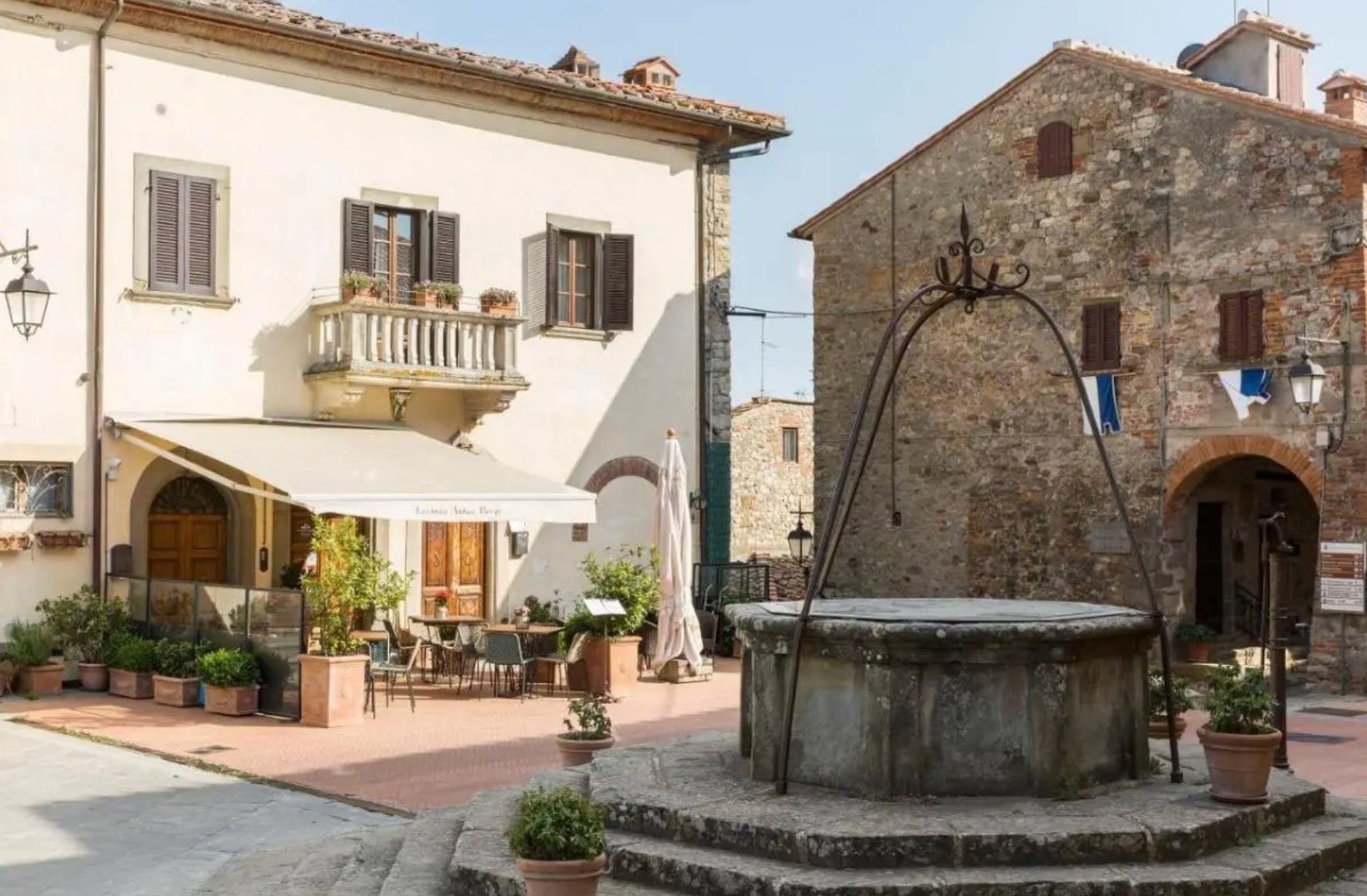
È un esercizio di osservazione continua: ti fermi ogni 5 o 10 km e hai la sensazione di essere entrato in un Paese nuovo. Cambiano la luce, i materiali delle case, gli odori della cucina, persino il passo delle persone che ti incrociano. Una varietà quasi stancante, ma di una bellezza che continua a spiazzare.
Eppure, più ti muovi, più ti rendi conto che questa stessa bellezza - che molti raccontano, che molti promuovono, che quasi tutti usano per costruire narrazioni - si regge su una cosa che sui media non appare mai: l’ospitalità locale.
Quella fatta da persone, famiglie, piccoli operatori che spesso non hanno scelto questo mestiere, ma lo hanno abbracciato perché altrimenti il loro territorio sarebbe rimasto chiuso, invisibile, impraticabile.
Gli hotel ci sono… ma non dove servirebbero davvero
Per capire il ruolo dell’ospitalità locale basta guardare l’offerta reale dei borghi italiani.
Sulla carta l’Italia è piena di hotel. Nella pratica, nei centri minori, trovi due categorie opposte e speculari:
I vecchi alberghi “di paese”, rimasti fermi agli anni Ottanta, con strutture che spesso fanno fatica a stare al passo, poca manutenzione, poca cura, pochissime risorse da investire. Non per colpa, ma per impossibilità.
I resort 5 stelle, spettacolari, impeccabili, ma pensati per un pubblico ultra-high-end. Persone che si muovono tra golf club e boutique di cashmere, che soggiornano in strutture isolate, lontane dai borghi, e che vivono un’esperienza che non ha nulla a che vedere con la quotidianità dei territori. Bellissimi, sì. Ma irrilevanti per il 99% dei viaggiatori, italiani inclusi.
Dentro i paesi, la vera infrastruttura dell’accoglienza è un’altra: affittacamere, agriturismi, alberghi diffusi, case ristrutturate dai privati, B&B familiari, piccoli host che hanno recuperato un immobile dei nonni.
Sono loro che permettono di fermarsi più di un’ora, più di un pasto.
Sono loro che rendono possibile visitare davvero l’Italia fuori dalle grandi città.
E soprattutto: sono loro che tengono aperti i bar, i ristoranti, le botteghe. Perché senza pernottamento, in questi luoghi, spesso non esisterebbe altra ‘economia’.
Gli operatori locali non sono il problema. Sono la soluzione che non si vuole vedere.
C’è una narrazione che negli ultimi anni ha preso piede, e che si alimenta soprattutto nelle città (dove talvolta può essere comprensibile): gli affitti brevi sarebbero la causa di ogni male.
Chiunque frequenti il territorio sa che questa affermazione non ha alcun legame con la realtà. Nei borghi non esiste concorrenza con il mercato residenziale.
Non esiste “overtourism” - fatta eccezione per una manciata di casi stagionali, malauguratamente inseriti nei percorsi del turismo di massa o da qualche disgraziato influencer della domenica.
Non esiste pressione sull’urgenza abitativa.
Esistono, al contrario:
case vuote da decenni,
eredi che aspettano un acquirente che non arriverà mai,
immobili abbandonati perché metterli a norma costerebbe più del valore corrente,
un tessuto ricettivo tradizionale spesso inesistente.
Gli affitti brevi, gli agriturismi, gli alberghi diffusi sono ciò che permette a un viaggiatore — italiano o straniero — di fermarsi, dormire, conoscere, incontrare.
Sono famiglie che investono decine di migliaia di euro per restaurare un immobile.
Sono giovani tornati al paese che trovano un modo per restare.
Sono coppie che si reinventano un mestiere.
Sono presìdi di territorio che riaprono porte chiuse da decenni.
E mentre si demonizza l’ospitalità locale, si finanziano agenzie che vendono sempre le solite tre città.
Qui si apre un capitolo che nessuno ha il coraggio di affrontare.
Molte agenzie di promozione nazionale - alcune molto note - continuano a vendere all’estero la solita triade: Roma, Venezia, Firenze, con qualche incursione su Milano, Napoli o Bologna quando serve variare.
Sono le stesse che sui media parlano di overtourism, indicando negli affitti brevi il colpevole del collasso delle città. Le stesse che poi offrono ai comuni dei territori ‘minori’ consulenze di marketing territoriale, piani di promozione digitale, strategie di visibilità.
Un dettaglio sfugge sempre:
Puoi promuovere quanto vuoi. Ma se non hai dove ospitare la gente, non attirerai turismo: attirerai passaggio.
E il turismo di passaggio è, per i borghi, una catastrofe: parcheggi pieni, strade stressate, zero pernottamenti, zero cene nei ristoranti, zero contributo all’economia locale, zero possibilità che qualcuno, un giorno, decida di vivere lì.
E chi tiene in piedi tutto questo — l’ospitalità locale — continua a essere trattato come un intralcio.
Il grande assente: il mercato di medio periodo, il transitorio
C’è poi un fenomeno che stiamo osservando ogni giorno di più, e che cambierà strutturalmente la geografia italiana: la domanda di soggiorni da 1 a 6 mesi.
Stranieri che vogliono capire se trasferirsi. Digital nomads che cercano una base temporanea. Professionisti che lavorano da remoto. Pensionati che vogliono vivere un periodo più lungo in Italia. Italiani che vogliono testare una zona prima di acquistare.
E tutti cercano la stessa cosa: una casa piccola, arredata, a un prezzo locale, per 60, 90, 120 giorni.
È incredibile come questa richiesta, enorme e in crescita, trovi in Italia un deserto totale.
Le case sono vuote, non messe a reddito, occupate o affittate a breve solo d’estate oppure proposte a prezzi assurdi (“moltiplico il prezzo a notte e ti faccio un piccolo sconto”).
Di fatto, le persone che vogliono testate la vita nei borghi non possono farlo.
E i borghi che chiedono ripopolamento non hanno come accoglierle.
Dall’ospitalità all’accoglienza: il passo che ora dobbiamo compiere
L’ospitalità è ciò che ti permette di scoprire un territorio.
L’accoglienza è ciò che ti permette di restarci abbastanza a lungo da valutarlo come possibile casa.
L’Italia eccelle nella prima - nonostante burocrazia e ostacoli - ma non ha mai creato un sistema per la seconda. È un vuoto strategico enorme, una lacuna che impedisce a migliaia di persone di vivere dove vorrebbero proprio ora che ce ne sarebbe bisogno.
Come ITS ITALY abbiamo capito che non basta più aiutare chi compra o ristruttura.
Non basta affiancare gli operatori dell’ospitalità breve.
Serve anche una terza soluzione: spazi pronti da abitare per soggiorni di medio periodo, pensati per chi vuole vivere il territorio, non solo visitarlo.
Non in concorrenza con chi fa ospitalità.
Anzi, in continuità con loro: un percorso che permette a un turista di diventare ospite, e a un ospite di diventare potenziale residente.
I borghi non salvano solo con la promozione, ma con la possibilità di restare
Puoi fare la campagna più bella del mondo.
Puoi promuovere il territorio in ogni fiera internazionale.
Puoi investire in comunicazione, influencer, storytelling.
Ma se alla fine non hai dove far dormire, vivere, restare le persone - nemmeno per qualche settimana - tutto si riduce a una vetrina.
La rigenerazione non nasce dalla visibilità. Nasce dalla possibilità.
Dalla possibilità di fermarsi.
Dalla possibilità di abitare.
Dalla possibilità di costruire relazioni.
Dalla possibilità di vedersi, anche solo per un attimo, cittadini di quel luogo.
E questa possibilità, oggi, la stanno garantendo solo loro: gli operatori dell’ospitalità locale.
Quelli che tengono aperta l’Italia vera.
Quelli che permettono ai territori non solo di essere visitati, ma di essere vissuti.
Manca ancora, sul mercato, la possibilità di poter diventare cittadino ‘temporaneo’. Temporaneo non per mancanza di dedizione, ma per condizione iniziale, interlocutoria, ‘di startup’ di una nuova scelta di vita.
Il resto è rumore di fondo di chi parla di Italia senza essersi fermato ogni 5km, ma solo all’Autogrill tra Milano e Roma.
Travelling Across Italy by Stopping Every 5 Kilometres: Where the Country Reveals Its Beauty (and a Few Proposals to Help It Survive)
In Italian small villages, hospitality is not an industry: it is what allows places to exist, welcome, and regenerate.
Crossing Italy by car, moving from one project to another, is an experience that is almost impossible to explain to anyone who hasn’t lived it.
It becomes an ongoing exercise in observation: you stop every 5 or 10 kilometres and feel as if you have stepped into a new country. The light changes, the building materials shift, the scents of the local cuisine evolve, even the pace of the people you meet is different. A variety that is almost exhausting, yet endlessly captivating.
And yet, the more you travel, the more you realise that this very beauty — so often narrated, promoted, framed into marketing campaigns — rests on something that almost never appears in the media: local hospitality.
The kind provided by individuals, families, small operators who did not always choose this profession, but embraced it because without them, their territory would be closed, invisible, and practically inaccessible.
Hotels do exist… just not where they are truly needed
To understand the role of local hospitality, all you need to do is look at the real accommodation landscape of the Italian ‘borghi’.
On paper, Italy is full of hotels.
In practice, in smaller centres, you find two opposite categories:
The old “village hotels”, frozen in the 1980s, with structures that struggle to keep up, minimal maintenance, limited care, and almost no resources to reinvest. Not out of negligence — simply out of impossibility.
The 5-star resorts, spectacular and flawless, but designed for an ultra-high-end clientele: people who move between golf clubs and cashmere boutiques, staying in isolated estates far from the towns, experiencing something that has little to do with local life.
Beautiful, yes.
But irrelevant to 99% of travellers — Italians included.
Inside the towns, the real infrastructure of hospitality is something entirely different:
guesthouses, farm stays (agriturismi), alberghi diffusi, privately renovated homes, family-run B&Bs, small hosts who have restored a grandparent’s old property.
They are the ones who make it possible to stay longer than a meal or a Sunday walk.
They are the ones who make it possible to experience Italy beyond the big cities.
And, above all, they are the ones keeping bars, restaurants, and local shops open — because without overnight guests, these places would have no functioning economy whatsoever.
Local operators are not the problem. They are the overlooked solution.
A narrative has taken hold in recent years — especially in cities, where, to be fair, some symptoms exist — claiming that short-term rentals are the cause of every urban problem.
Anyone who actually spends time in the territories knows this has no connection to reality.
In the borghi there is no competition with the residential market.
There is no “overtourism” — except for a small handful of seasonal cases, often dragged into mass-tourism circuits or victims of some unfortunate weekend influencer.
There is no housing emergency.
There are, instead:
homes left empty for decades,
heirs waiting for a buyer who will never come,
abandoned properties because bringing them up to code would cost more than their current value,
a traditional hotel infrastructure that, in many areas, simply no longer exists.
Short-term rentals, agriturismi, and alberghi diffusi are what allow travellers — Italian or foreign — to stop, sleep, meet, explore.
They are families investing tens of thousands of euros to restore a property.
They are young people returning to their hometown with a way to stay.
They are couples reinventing their work life.
They are territorial outposts reopening doors that had been shut for decades.
And while local hospitality is demonised, the same agencies promote only three cities
Here begins a chapter few are willing to address.
Many national promotion agencies — some very well-known — continue to market abroad the same repetitive triad: Rome, Venice, Florence, with an occasional cameo by Milan, Naples, or Bologna to add variety.
These are the same voices that denounce overtourism, pointing to short-term rentals as the culprit behind the collapse of major cities.
The same ones that then sell to small municipalities their consultancy packages: digital marketing plans, visibility strategies, territorial branding.
A crucial detail is always omitted:
You can promote your territory all you want. But if you have nowhere to host people, you will not attract tourism — you will attract passers-by.
And pass-through tourism is, for the borghi, a catastrophe:
full car parks,
stressed local infrastructure,
zero overnight stays,
zero dinners in restaurants,
zero local spending,
zero chance that someone might one day decide to live there.
Meanwhile, those who keep the entire system functioning — local hospitality operators — continue to be treated as a nuisance.
The great missing piece: the medium-term rental market
There is another phenomenon we are observing more and more — one that will structurally reshape Italy’s geography:
the growing demand for stays of 1 to 6 months.
Foreigners wanting to understand if they should relocate.
Digital nomads looking for a temporary base.
Remote professionals.
Retirees wishing to spend longer periods in Italy.
Italians exploring an area before buying a home.
And they all ask for the same thing:
a small, furnished house at a local price, for 60, 90, or 120 days.
It is astonishing how this large — and rapidly growing — demand encounters in Italy a total desert.
Homes are left empty, not rented out, used only for summer short-term stays, or offered at unreasonable prices (“let me multiply the nightly rate and give you a small discount”).
As a result, those who want to test life in the borghi simply cannot do it.
And the borghi that claim they want new residents have no way to welcome them.
From hospitality to actual welcome: the step we must now take
Hospitality is what allows you to discover a territory.
Welcome — proper welcome — is what allows you to stay long enough to imagine it as a potential home.
Italy excels at the former — despite bureaucracy and obstacles — but has never built a system for the latter.
This is a major strategic gap, a missing bridge that prevents thousands of people from living where they would like to, precisely at a moment when this movement could bring enormous value.
We have understood that helping people buy or renovate homes is not enough.
Supporting short-term operators is not enough.
We also need a third solution: ready-to-live spaces for medium-term stays, designed for those who want to live the territory, not just visit it.
Not in competition with local hosts —
in continuity with them.
A pathway that allows a tourist to become a guest, and a guest to become a potential resident.
Borghi cannot be saved by promotion — only by the possibility of staying
You can run the most beautiful campaign in the world.
You can promote your territory at every international fair.
You can invest in communication, influencers, storytelling.
But if, in the end, you have nowhere for people to sleep, live, stay — even for a few weeks — everything becomes a shop window.
Regeneration does not come from visibility.
It comes from possibility.
The possibility to pause.
The possibility to inhabit.
The possibility to build relationships.
The possibility to see yourself — even briefly — as a citizen of that place.
And today, this possibility is provided only by one group:
local hospitality operators.
Those who keep real Italy open.
Those who allow the territories not only to be visited, but to be lived.
What is still missing from the market is the chance to become a “temporary citizen” — temporary not out of reluctance, but out of circumstance, transition, or the early “startup phase” of a new life choice.
Everything else is background noise — the noise of those who speak about Italy without ever stopping every 5 kilometres, but only at an Autogrill between Milan and Rome.


