
Le Dimore Storiche tornano al centro del dibattito sui piccoli comuni italiani
Historic Homes: Why They’re Back at the Center of the Debate on Small Italian Towns
Un nuovo accordo riapre il tema: il patrimonio diffuso può diventare una leva reale contro lo spopolamento?
Il punto di partenza è una notizia precisa, anche se rischia di passare inosservata fuori dagli ambienti istituzionali. Il 1° aprile 2026 è stato firmato un protocollo d’intesa tra il Consiglio Nazionale dell’Economia e del Lavoro e l’Associazione Dimore Storiche Italiane. L’obiettivo dichiarato è lavorare insieme su tutela e valorizzazione del patrimonio culturale, rigenerazione delle aree marginali e sviluppo sostenibile, con un focus esplicito sui piccoli Comuni e sulle aree rurali.
Letta così, è una notizia che potrebbe sembrare una delle tante. Un accordo, un protocollo, un linguaggio già sentito. Ma fermarsi qui sarebbe un errore, perché il tema che riemerge è molto più concreto di quanto sembri. E riguarda una domanda che l’Italia continua a rimandare: cosa fare davvero del proprio patrimonio diffuso nei territori che si stanno svuotando?
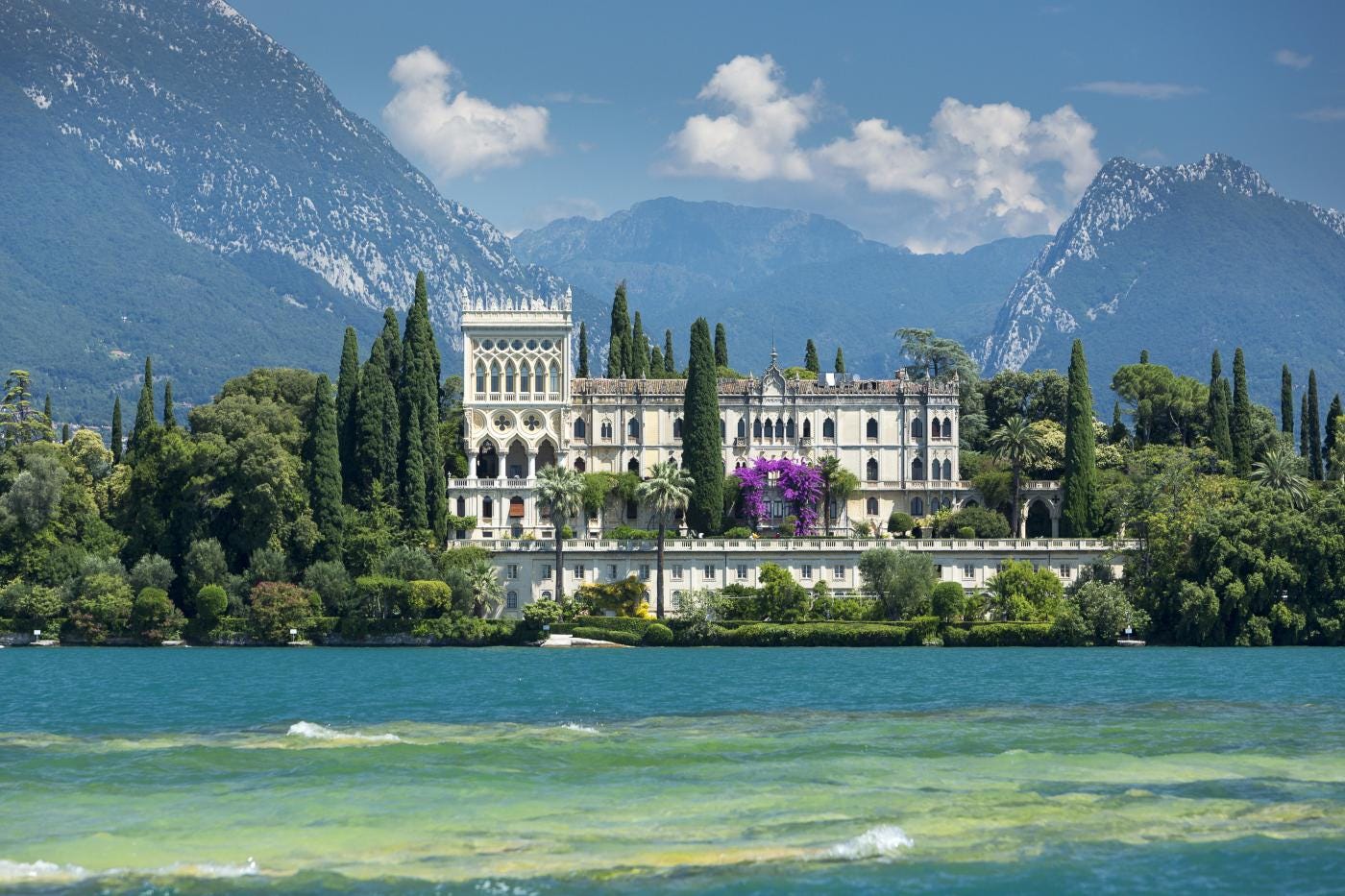
Le dimore storiche, in questo senso, sono un punto di osservazione interessante. Non solo perché sono numerose – decine di migliaia distribuite su tutto il territorio nazionale – ma perché sono già oggi, spesso in modo silenzioso, dentro dinamiche economiche reali. Turismo, agricoltura, ospitalità, eventi, produzione culturale. Non sono semplicemente un’eredità del passato. Sono già, in molti casi, pezzi attivi di economia locale.
Il problema è che questo ruolo è rimasto a lungo implicito, frammentato, poco riconosciuto. E soprattutto poco integrato in una visione più ampia di territorio.
Negli ultimi anni, il dibattito sui piccoli Comuni ha oscillato tra due estremi. Da un lato, la narrazione romantica dei borghi da salvare, spesso alimentata da operazioni mediatiche veloci, formule replicabili sulla carta e risultati molto meno omogenei nella realtà. Dall’altro, una visione più disincantata, quasi rassegnata, che considera lo spopolamento come un processo inevitabile.
In mezzo, però, c’è una terza strada, più complessa e meno raccontata. Quella che parte da un dato semplice: in una parte enorme del territorio italiano esistono già asset, competenze e strutture che potrebbero sostenere una presenza continuativa, se solo venissero messi a sistema.
È qui che la parola chiave usata dal presidente del CNEL, Renato Brunetta, assume un significato meno astratto di quanto sembri. Quando si parla di “rete di reti”, il riferimento non è solo istituzionale. È, o dovrebbe essere, operativo. Significa riconoscere che esistono già tanti elementi – dimore storiche, operatori locali, comunità, iniziative private, progetti di rigenerazione – ma che raramente dialogano tra loro in modo strutturato.
Il punto non è creare qualcosa da zero. Il punto è collegare ciò che già esiste.
In questo senso, il protocollo può essere letto come un tentativo di spostare il focus. Dalla conservazione alla funzione. Dalla tutela alla capacità di generare valore. Non valore teorico, ma valore concreto: lavoro, servizi, attività economiche, presenza umana.
Perché il nodo, alla fine, è sempre lo stesso. I piccoli Comuni non hanno solo bisogno di visitatori. Hanno bisogno di persone che restano, che lavorano, che abitano, che utilizzano servizi, che contribuiscono a mantenerli vivi nel tempo.
Le dimore storiche possono contribuire a questo processo, ma solo a una condizione. Che smettano di essere considerate episodi isolati.
Se restano elementi singoli, anche di grande qualità, producono impatto limitato e spesso discontinuo. Se invece diventano parte di un sistema più ampio – collegato a servizi, mobilità, lavoro, comunità locali e nuovi modelli abitativi – allora possono assumere un ruolo diverso. Possono diventare, in senso molto concreto, infrastrutture territoriali.
È una parola che può sembrare forzata, ma descrive bene il punto. In molte aree interne italiane mancano pezzi fondamentali di infrastruttura: non solo strade o trasporti, ma luoghi di aggregazione, spazi di lavoro, servizi culturali, attività economiche continuative. In questo vuoto, alcune dimore storiche stanno già svolgendo funzioni che vanno oltre la loro natura originaria. Ospitano attività, generano flussi, creano occasioni di lavoro, mantengono viva una presenza.
Non basta, ovviamente. E non può bastare da solo. Ma è un elemento che, se integrato, può contribuire a costruire un equilibrio diverso.
È anche per questo che l’accordo tra CNEL e ADSI arriva in un momento interessante. Da un lato, cresce l’interesse internazionale verso forme di vita meno urbane, più distribuite, spesso legate al lavoro da remoto. Dall’altro, aumenta la pressione su città e destinazioni già sature. In mezzo, c’è un’Italia che continua a essere raccontata più di quanto venga realmente abitata.
Il rischio, come sempre, è che tutto questo resti nel perimetro delle buone intenzioni. L’Italia ha una lunga storia di protocolli che non diventano mai operativi. Per evitare che accada anche questa volta, servirà qualcosa di molto concreto: modelli replicabili, accesso reale a strumenti finanziari, coinvolgimento di operatori che lavorano già sul campo.
Soprattutto, servirà chiarezza su un punto. Il patrimonio, da solo, non salva i territori. Ma può contribuire a salvarli se viene messo nelle condizioni di funzionare.
Ed è qui che la notizia, se letta con attenzione, diventa qualcosa di più di un aggiornamento istituzionale. Segnala, almeno potenzialmente, un cambio di linguaggio. Non più solo conservazione, non più solo promozione. Ma tentativo di integrazione tra patrimonio, economia e vita quotidiana.
La domanda resta aperta, ed è probabilmente quella che conta davvero. Siamo pronti a trattare la bellezza diffusa dell’Italia come un asset produttivo, e non solo come un simbolo identitario?
Se la risposta resterà teorica, poco cambierà. Se invece diventerà operativa, allora anche una firma su un protocollo potrà avere conseguenze reali.
E, in un Paese come l’Italia, non è poco.
A new agreement brings the issue back into focus: can Italy’s scattered heritage become a real lever against depopulation?
The starting point is a specific piece of news, even if it risks going largely unnoticed outside institutional circles. On April 1st, 2026, a memorandum of understanding was signed between the National Council for Economics and Labour and the Italian Historic Houses Association. The stated objective is to work jointly on the protection and enhancement of cultural heritage, the regeneration of marginal territories, and the sustainable development of local areas, with a clear focus on small towns and rural regions.
Taken at face value, this may sound like yet another institutional agreement, framed in familiar language and destined to remain within administrative boundaries. But stopping there would miss the point. What this news quietly brings back to the surface is a much more concrete question—one Italy has been postponing for years: what should be done, in practical terms, with its vast, scattered heritage across territories that are steadily losing population?
Historic homes offer a particularly revealing lens through which to look at this issue. Not only because they are numerous—tens of thousands spread across the country—but because many of them are already, often quietly, embedded in real economic dynamics. Tourism, agriculture, hospitality, cultural production, events. They are not simply remnants of the past. In many cases, they are already active components of local economies.
The problem is that this role has long remained implicit, fragmented, and insufficiently recognized. More importantly, it has rarely been integrated into a broader territorial strategy.
In recent years, the debate around Italy’s small towns has oscillated between two extremes. On one side, a romantic narrative of villages to be “saved,” often driven by fast-moving media stories, easily replicable formulas, and outcomes that are far less consistent in reality. On the other, a more disenchanted perspective that treats depopulation as an inevitable process.
Between these two narratives lies a third path—more complex and far less discussed. One that starts from a simple observation: across large parts of Italy, there are already assets, skills, and structures that could sustain long-term presence, if only they were connected and activated within a coherent system.
This is where the expression used by CNEL’s president, Renato Brunetta, takes on a more concrete meaning than it might initially suggest. When he speaks of a “network of networks,” the reference is not merely institutional. Or at least, it shouldn’t be. It implies recognizing that many elements already exist—historic homes, local operators, communities, private initiatives, regeneration projects—but that they rarely interact in a structured and consistent way.
The issue is not to create something entirely new. It is to connect what is already there.
From this perspective, the agreement can be read as an attempt to shift the focus. From preservation to function. From protection to value generation—not abstract value, but tangible value: jobs, services, economic activity, and, ultimately, human presence.
Because this is the real underlying issue. Small towns do not simply need visitors. They need people who stay, who work, who live, who use services, and who contribute to keeping these places active over time.
Historic homes can contribute to this process, but only under one condition: that they stop being treated as isolated episodes.
When they remain standalone assets—even high-quality ones—their impact tends to be limited and often discontinuous. But when they are integrated into a broader territorial system—connected to services, mobility, employment, local communities, and new forms of living—they can take on a different role. They can become, in a very concrete sense, territorial infrastructure.
It may sound like an overstretched definition, but it captures the reality of many internal areas in Italy, where key forms of infrastructure are missing—not only physical ones such as transport, but also social and economic infrastructure: places to gather, spaces to work, continuous activities that sustain daily life. In this context, some historic homes are already performing functions that go well beyond their original purpose. They host activities, generate flows, create employment opportunities, and maintain a form of presence.
Of course, this is not enough on its own. Nor can it be. But it is a component that, if properly integrated, can contribute to a different balance.
This is also why the agreement between CNEL and ADSI arrives at a particularly interesting moment. On one side, there is growing international interest in less urban, more distributed ways of living, often linked to remote work. On the other, increasing pressure on cities and already saturated destinations. In between, there is a vast part of Italy that continues to be narrated far more than it is actually inhabited.
The risk, as always, is that everything remains within the realm of good intentions. Italy has a long track record of agreements that never fully translate into operational frameworks. Avoiding this outcome will require something much more concrete: replicable models, real access to financial instruments, and the involvement of operators who are already working on the ground.
Above all, it will require clarity on one fundamental point. Heritage, on its own, does not save territories. But it can contribute to saving them if it is put in a position to function.
This is where the news, if read carefully, becomes more than an institutional update. It signals—at least potentially—a shift in language. No longer just preservation, no longer just promotion, but an attempt to integrate heritage with economy and everyday life.
The question remains open, and it is probably the one that matters most. Is Italy ready to treat its widespread beauty as a productive asset, rather than just an identity symbol?
If the answer remains theoretical, little will change. If it becomes operational, then even a formal agreement like this one could have real consequences.
And in a country like Italy, that would already be significant.


