



Negli ultimi anni, il rapporto tra l’Italia e gli italiani all’estero, in particolare con il mondo italoamericano, è cambiato profondamente.
Non si tratta più soltanto di turismo delle radici, vacanze estive, memoria familiare o seconde case acquistate per nostalgia. Sempre più spesso, l’Italia diventa una scelta concreta: un luogo in cui vivere per alcuni mesi all’anno, investire, restaurare una casa, costruire una nuova routine, avviare un progetto personale o, semplicemente, ripensare il proprio rapporto con il tempo, la comunità e la qualità della vita.
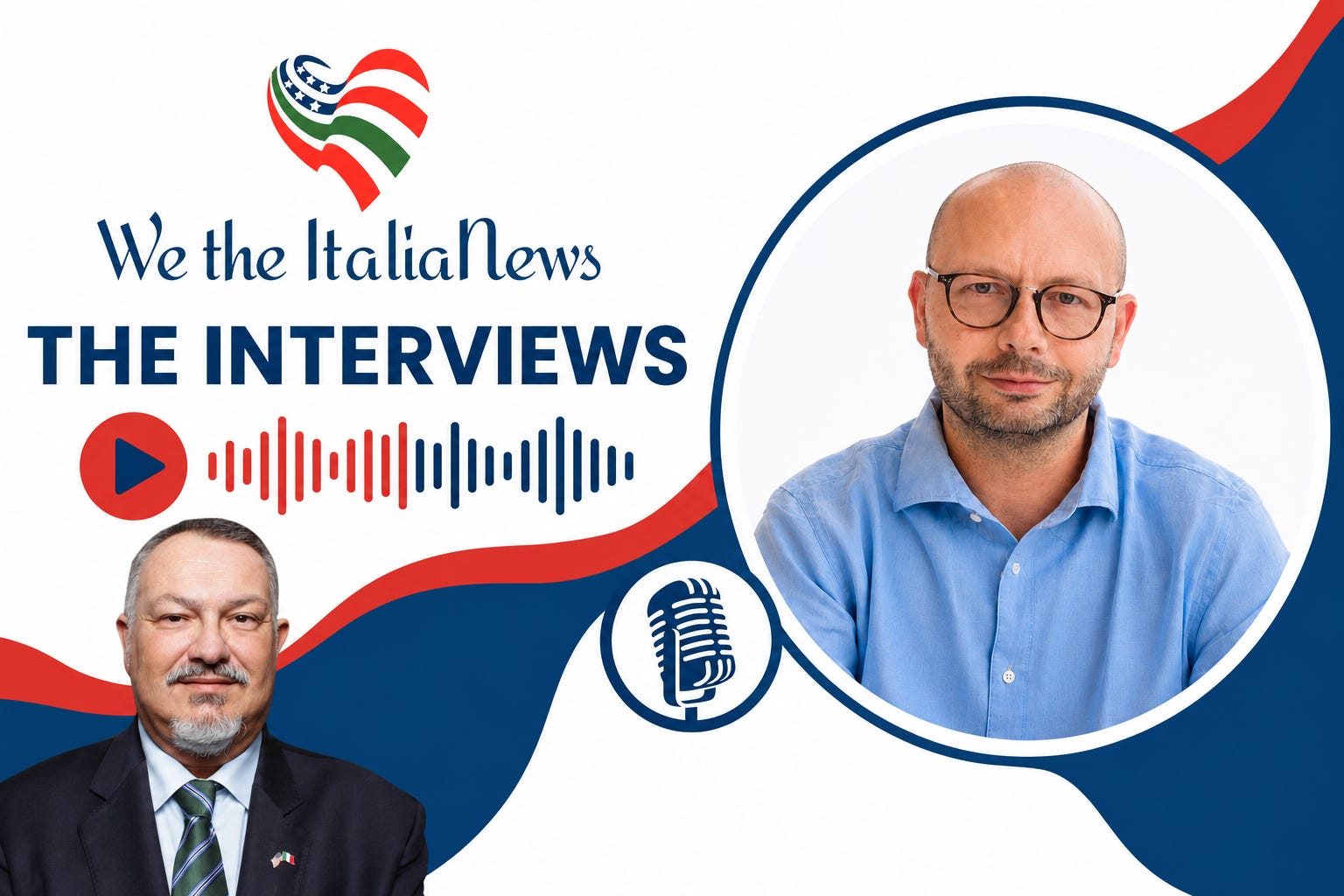
È da questa trasformazione che nasce l’intervista realizzata da Umberto Mucci per We the Italians a Matteo Cerri, co-founder di ITS ITALY.
L’intervista parte da un fenomeno ormai evidente: il crescente numero di stranieri, soprattutto americani e italoamericani, interessati all’acquisto di immobili in Italia. Ma la conversazione va subito oltre il tema immobiliare.
Perché, come Matteo spiega nell’intervista, ITS ITALY non nasce come semplice progetto real estate. Nasce più di dieci anni fa a Londra come piattaforma editoriale, culturale e comunitaria per raccontare l’Italia a chi la guarda da fuori: non attraverso cartoline, folklore o retorica da esportazione, ma con uno sguardo più pratico, internazionale e spesso più schietto.
Dopo il Covid, quella visione si è trasformata in qualcosa di più operativo. Non bastava più promuovere l’Italia. Bisognava aiutare persone, famiglie e investitori a capire come un interesse per il Paese potesse diventare presenza reale, vita, recupero di immobili, rigenerazione di borghi e impatto positivo sulle comunità locali.
Uno dei passaggi centrali dell’intervista è il principio che Matteo riassume con una formula semplice: live first, buy later.
Vivere prima, comprare dopo.
Non significa non comprare. Significa comprare meglio. Significa non trasformare tre giorni di sole, due cene perfette e una passeggiata in un borgo da cartolina in una decisione immobiliare presa troppo in fretta.
Vivere un luogo per qualche mese permette di capire se quel paese funziona davvero tutto l’anno, se la distanza dall’aeroporto è sostenibile, se i servizi sono adeguati, se il silenzio è pace o isolamento, se la ristrutturazione è un progetto reale o solo una bella frase da raccontare agli amici.
L’intervista affronta anche uno dei temi più discussi degli ultimi anni: le case a un euro.
Matteo riconosce il grande merito di queste iniziative: hanno acceso i riflettori internazionali su luoghi che altrimenti sarebbero rimasti fuori dalla conversazione globale. Ma, allo stesso tempo, chiarisce un punto essenziale: attenzione mediatica e rigenerazione non sono la stessa cosa.
Una campagna può portare visitatori, giornalisti e curiosità. Non può, da sola, ristrutturare case, creare lavoro, rafforzare servizi, formare artigiani o ricostruire una comunità.
La rigenerazione, nella visione di ITS ITALY, non comincia dagli edifici. Comincia dalle persone.
Una casa restaurata e usata due settimane l’anno può essere bella, ma difficilmente cambia il destino di un luogo. Un progetto diventa davvero significativo quando chi arriva vive, partecipa, investe tempo, porta relazioni, utilizza servizi, invita altre persone, costruisce un rapporto con la comunità locale.
Per questo, il motto di ITS ITALY, Don’t just visit, belong, non è soltanto una frase evocativa.
È un metodo.
Non limitarsi a visitare l’Italia. Non comprarne semplicemente un frammento. Ma provare ad appartenerle, con rispetto, intelligenza e consapevolezza.
Nell’intervista, Matteo parla anche del rapporto speciale con gli italoamericani. Per molti di loro, l’Italia non è solo una destinazione. È un luogo emotivo, familiare, identitario. Ma proprio per questo va affrontato con delicatezza.
L’Italia reale non coincide sempre con l’Italia conservata nei ricordi di famiglia. Questo non rende il percorso meno interessante. Al contrario, lo rende più profondo. Passare dalla memoria alla realtà significa incontrare un Paese vivo, complesso, generoso, contraddittorio e molto più ricco di qualsiasi immagine idealizzata.
Al termine della conversazione, Umberto Mucci ha definito l’intervista una delle più schiette e ricche di contenuti realizzate da tempo. Per Matteo, è stato probabilmente il complimento più importante: non perché l’obiettivo fosse provocare, ma perché parlare dell’Italia oggi richiede chiarezza.
Entusiasmo, sì. Ma anche concretezza.
Sogno, certamente. Ma anche numeri, tempi, costi, rischi, burocrazia, manutenzione, comunità, accessibilità e vita quotidiana.
Per ITS Journal, questa intervista rappresenta bene il senso del lavoro che ITS ITALY porta avanti da anni: raccontare l’Italia non come un prodotto da consumare, ma come una relazione da costruire.
Con una piccola nota finale, inevitabile: Matteo si è permesso di aggiornare la foto dell’intervista. Ufficialmente per ragioni grafiche. Ufficiosamente perché la precedente immagine era abbastanza severa da giustificare un modesto atto di autodifesa estetica.
Matteo Cerri Speaks to We the Italians About ITS ITALY, Italian Americans and the Difference Between Visiting Italy and Belonging to It
In recent years, the relationship between Italy and the Italian diaspora, especially in the United States, has changed profoundly.
It is no longer only about roots tourism, summer holidays, family memories or second homes bought for sentimental reasons. Increasingly, Italy is becoming a concrete life choice: a place where people want to spend part of the year, invest, restore a property, create a new routine, reconnect with family history or rethink their relationship with time, community and quality of life.
This transformation is at the centre of the interview conducted by Umberto Mucci for We the Italians with Matteo Cerri, co-founder of ITS ITALY.
The interview begins with a visible trend: the growing number of foreigners, particularly Americans and Italian Americans, interested in buying homes in Italy. But the conversation quickly moves beyond real estate.
As Matteo explains, ITS ITALY did not begin as a property project. It was born more than ten years ago in London as an editorial, cultural and community platform created to speak about Italy to people looking at the country from abroad — not through postcards, folklore or export-ready clichés, but with a more practical, international and often more direct perspective.
After Covid, that vision became more operational. Simply promoting Italy was no longer enough. There was a more tangible opportunity: helping people, families and investors understand how their interest in Italy could become real presence, restored homes, local regeneration and positive impact on communities.
One of the central ideas in the interview is a principle Matteo often repeats: live first, buy later.
It does not mean “do not buy”. It means buy better.
It means not turning three days of sunshine, two perfect dinners and a beautiful walk through a hilltop town into a major real estate decision made too quickly.
Living in a place for a few months changes everything. It helps people understand whether a town works all year round, whether the distance from the airport is sustainable, whether essential services are available, whether silence feels peaceful or isolating, and whether restoring an old Italian house is a real project or simply a wonderful phrase to say out loud.
The interview also addresses one of the most discussed Italian phenomena of recent years: one-euro homes.
Matteo recognises their important role. They have brought international attention to towns that might otherwise have remained outside the global conversation. At the same time, he makes a crucial distinction: media attention and regeneration are not the same thing.
A campaign can attract visitors, journalists and curiosity. It cannot, on its own, renovate houses, create jobs, strengthen services, train artisans or rebuild a community.
In the vision of ITS ITALY, regeneration does not begin with buildings. It begins with people.
A restored house used for two weeks a year may be beautiful, but it rarely changes the destiny of a place. A project becomes meaningful when those who arrive live there, participate, invest time, build relationships, use local services, invite others and create a genuine connection with the community.
This is why the ITS ITALY motto, Don’t just visit, belong, is not simply an evocative phrase.
It is a method.
Do not merely visit Italy. Do not simply buy a fragment of it. Try to belong to it, with respect, intelligence and awareness.
In the interview, Matteo also discusses the special relationship with Italian Americans. For many of them, Italy is not just a destination. It is an emotional, familial and identity-based geography. Precisely for this reason, it must be approached with care.
The real Italy does not always match the Italy preserved in family memories. That does not make the journey less interesting. On the contrary, it makes it deeper. Moving from memory to reality means encountering a living country: complex, generous, contradictory and far richer than any idealised image.
At the end of the conversation, Umberto Mucci described the interview as one of the frankest and most content-rich he had conducted in a long time. For Matteo, this was perhaps the most meaningful compliment: not because the aim was to provoke, but because speaking about Italy today requires clarity.
Enthusiasm, yes. But also concreteness.
Dream, certainly. But also numbers, timelines, costs, risks, bureaucracy, maintenance, communities, accessibility and everyday life.
For ITS Journal, this interview captures the essence of the work ITS ITALY has been carrying out for years: telling the story of Italy not as a product to be consumed, but as a relationship to be built.
With one final, unavoidable note: Matteo did take the liberty of updating the photograph used for the interview. Officially, for graphic reasons. Unofficially, because the previous image was severe enough to justify a modest act of aesthetic self-defence.
Please enjoy the audio and visual preview of this interview here:
https://lnkd.in/dCC4GgRm