
Monique Chambers’ journey to Puglia
Il viaggio di Monique Chambers in Puglia

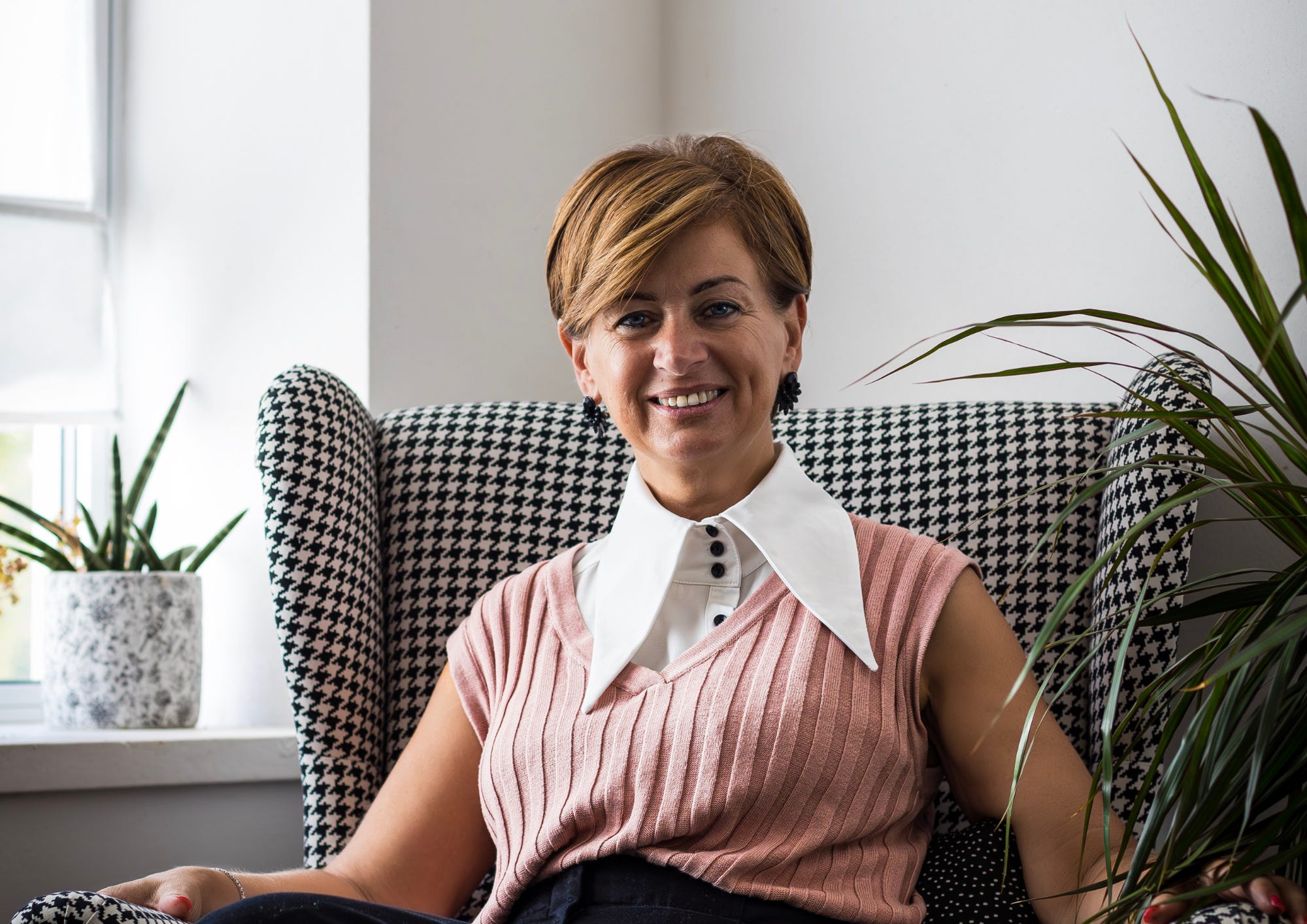
Monique Chambers first came to Puglia in 2011 for work. She was living in Malta, running a lifestyle magazine she had founded herself, and moving easily through a career shaped by reinvention. She came here to write an article, then she saw a trullo.
“I absolutely fell in love,” she says. “That was it.”
The feeling caught her off guard. She had bought and renovated properties before without sentiment, but this was different. She didn’t want a project. She wanted that place. For years, the idea met resistance at home, yet she kept returning to Puglia and the pull only grew stronger.
In 2019, eight years after that first visit, she stopped hesitating and bought a trullo that hadn’t been touched since the 1960s. Soon after, Covid arrived, and the renovation unfolded almost entirely from afar, shaped by Italian regulations, long paperwork, and a slower rhythm of work. “You learn quickly that here, time is treated differently,” she says.
When the house was finished, she began spending longer periods in Puglia. Life was quieter than she was used to. But there was something else: space. Space to think, to choose how to spend her days, to live with fewer distractions. “You don’t rush things here,” she says. “You adapt.”
Nearby stood an abandoned masseria. Empty for decades, it began to occupy her thoughts.
Her partner strongly advised against it. “He said starting a business in Italy would be traumatic,” she recalls. “He was absolutely right.”
What followed was paperwork, permissions, compromises, and costly lessons, forcing compromises and practical decisions. “It didn’t become what I imagined,” she says. “It became what was possible.”
Looking back, she’s clear-eyed. She would do it again without question. Puglia, she believes, isn’t a place for impulse or shortcuts. “It rewards patience,” she says. “And flexibility.”
In return, it offers something harder to define: a way of living with more intention, and more room to choose what really matters.
Il viaggio di Monique Chambers in Puglia
Monique Chambers arriva in Puglia per la prima volta nel 2011, per lavoro. Vive a Malta, dirige una rivista di lifestyle che ha fondato lei stessa e si muove con naturalezza dentro una carriera fatta di cambiamenti, ripartenze, nuove direzioni. È venuta per scrivere un articolo. Poi vede un trullo.
«Me ne sono innamorata all’istante», racconta. «È stato immediato».
La sorpresa è proprio questa: non se lo aspettava. In passato aveva già acquistato e ristrutturato immobili, ma sempre con uno sguardo pratico, quasi distaccato. Qui no. Non era un progetto. Era quel posto. Un desiderio preciso, ostinato. Per anni l’idea trova resistenze in famiglia, ma lei continua a tornare in Puglia, e ogni volta il legame si rafforza.
Nel 2019, otto anni dopo quella prima visita, smette di rimandare e compra un trullo fermo agli anni Sessanta. Poco dopo arriva il Covid, e la ristrutturazione prende forma quasi interamente a distanza, tra regolamenti italiani, permessi, carte, attese. «Qui impari subito che il tempo funziona in modo diverso», dice. «E devi accettarlo».
Quando la casa è finalmente pronta, Monique comincia a trascorrere periodi sempre più lunghi in Puglia. La vita è più silenziosa di quella a cui era abituata. Meno stimoli, meno rumore. Ma c’è altro: spazio. Spazio per pensare, per decidere come usare le proprie giornate, per vivere con meno distrazioni. «Qui non corri», racconta. «Ti adatti».
Non lontano dal trullo c’è una masseria abbandonata. È vuota da decenni, ma inizia a tornarle spesso in mente.
Il suo compagno cerca di dissuaderla. «Mi disse che avviare un’attività in Italia sarebbe stato traumatico», ricorda. «Aveva perfettamente ragione».
Da lì in poi arrivano la burocrazia, i permessi, i compromessi, le lezioni costose. Decisioni pratiche che ridimensionano le aspettative iniziali. «Non è diventato ciò che avevo immaginato», dice. «È diventato ciò che era possibile».
Guardandosi indietro, però, non ha dubbi. Lo rifarebbe. Senza esitazioni. La Puglia, secondo lei, non è un luogo per scelte impulsive o scorciatoie. «Premia la pazienza», dice. «E la flessibilità».
In cambio offre qualcosa di più difficile da definire: un modo di vivere più intenzionale, con più spazio per scegliere cosa conta davvero.
 | A guest post by
|