


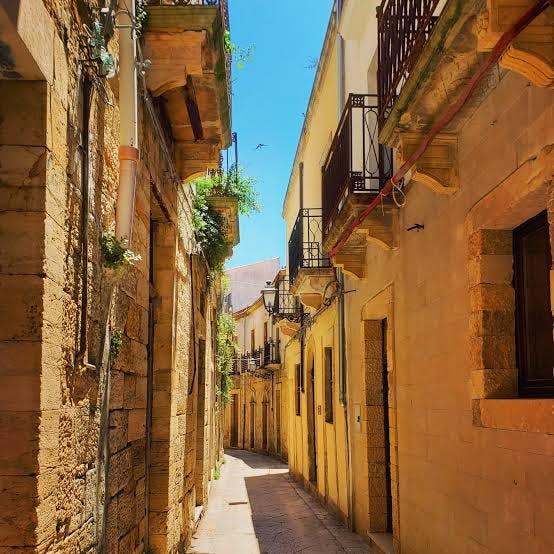
Quattro amici australiani, Salemi, una casa quasi regalata e tre mesi per trasformarla. The One Euro Dream è l’ennesima variazione di un format che conosciamo bene: lo straniero arriva nel borgo italiano, scopre un mondo apparentemente dimenticato e decide di salvarne un pezzo. Divertente, probabilmente autentico e certamente efficace sui social. Ma comprare e ristrutturare una casa in Italia è un’altra cosa, e fingere che la complessità non esista può diventare molto costoso per chi prova a replicare l’avventura.
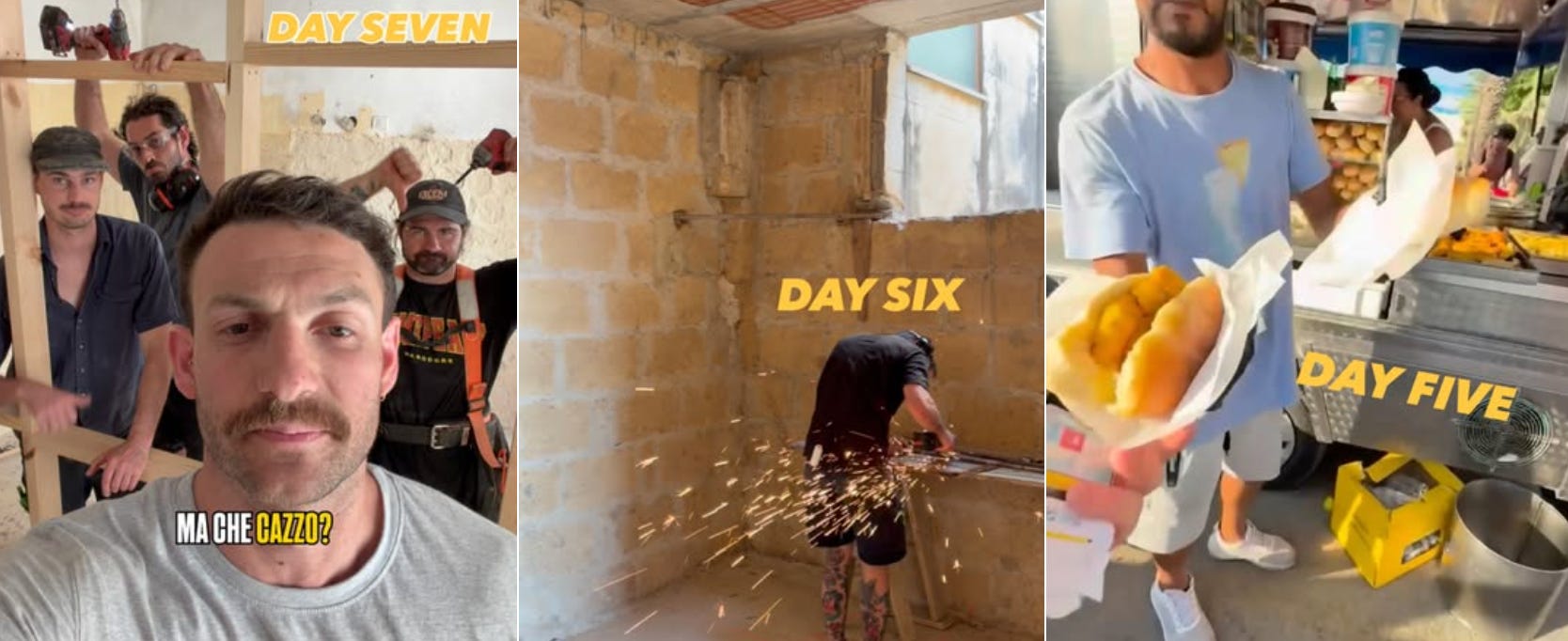
Un euro, novanta giorni, una casa da trasformare e quattro amici australiani che arrivano in Sicilia con una scadenza perfetta per qualsiasi autore televisivo: devono riuscirci prima che finisca il tempo a loro disposizione in Europa. Nel frattempo trovano Salemi, entrano nel mondo delle case da un euro, comprano una vecchia Ape Piaggio, scaricano calce, aprono il cantiere, costruiscono pareti e, almeno a giudicare dalle immagini pubblicate, intervengono anche sugli impianti. Il tutto viene raccontato su Instagram da The One Euro Dream, un account arrivato a circa 330 mila follower.
Bisogna riconoscerglielo: come intrattenimento funziona benissimo. C’è un obiettivo immediatamente comprensibile, c’è il countdown, ci sono quattro protagonisti simpatici, c’è un’Italia pittoresca al punto giusto e c’è quella particolare miscela di polvere, improvvisazione e ottimismo che rende irresistibili le trasformazioni immobiliari sui social. Tecnicamente, peraltro, non esiste propriamente un “visto australiano di 90 giorni”: gli australiani sono esenti dal visto per soggiorni brevi fino a 90 giorni in un periodo di 180 nell’area Schengen. Ma bisogna ammettere che “abbiamo 90 giorni per salvare una casa siciliana” funziona decisamente meglio come sceneggiatura.
Il problema non è stabilire se la storia sia vera. Potrebbe esserlo interamente. Non abbiamo alcun elemento per sostenere che i lavori siano irregolari, che manchino permessi o che dietro ciò che vediamo non esistano tecnici, imprese e professionisti perfettamente qualificati. Anzi, speriamo che sia esattamente così. Il problema è un altro, ed è molto più interessante: la storia può essere vera e, nello stesso tempo, raccontare malissimo come funziona davvero una compravendita seguita da una ristrutturazione in Italia.
Ed è lì che l’intrattenimento rischia di trasformarsi in faciloneria.
Salemi, le case da un euro e la tentazione di trasformare il paese in un set
Salemi non è capitata per caso al centro di questo genere di narrazione. Il Comune continua a promuovere il programma delle Case a 1€ e da anni utilizza la leva immobiliare come strumento di attrazione e visibilità internazionale. Non c’è niente di sbagliato. Un piccolo centro con immobili vuoti e un problema di spopolamento fa bene a cercare nuovi proprietari, capitale e attenzione invece di aspettare che le case crollino definitivamente.
Qualche domanda in più, semmai, la merita l’idea ormai molto diffusa che qualsiasi esposizione internazionale equivalga automaticamente a sviluppo territoriale.
Salemi ha già ospitato Amanda & Alan’s Italian Job, la serie britannica costruita attorno a una formula sorprendentemente simile: case acquistate a prezzo simbolico, tre mesi per trasformarle e due celebrity britanniche alle prese con il cantiere siciliano. In quel caso, però, il linguaggio televisivo rendeva almeno più evidente una cosa che sui social tende a sparire: dietro ai protagonisti c’erano professionisti, artigiani, un project manager e una squadra di lavoro. Il pubblico guardava Amanda Holden e Alan Carr sporcarsi le mani, ma nessuno ragionevole immaginava che avessero organizzato da soli l’intera macchina tra una ripresa e l’altra.
Instagram ha reso questo meccanismo più efficace perché gli ha tolto l’aspetto della produzione. La struttura narrativa è praticamente quella di un reality, ma tutto appare spontaneo, immediato, casuale. E così finiamo ancora una volta davanti allo straniero che arriva in un piccolo paese italiano, lo guarda con il fascino riservato a una civiltà quasi scomparsa e si cimenta nella missione di salvarne un pezzo.
Per carità, ben vengano gli stranieri che comprano, restaurano, investono e magari restano. Sarebbe assurdo sostenere il contrario, soprattutto da parte nostra. Quello che comincia a stancare è la sceneggiatura. Dopo le case da un euro, le star britanniche con la mazzetta, gli americani che “discover the real Italy”, gli australiani che arrivano dall’altra parte del mondo e trovano un borgo da riportare in vita, verrebbe quasi da domandarsi quante altre serie servano prima di smettere di rappresentare l’Italia minore come una specie protetta in attesa del salvatore straniero.
Il marketing territoriale ha perfettamente diritto di utilizzare questi strumenti. Ma sarebbe utile ricordare che marketing territoriale e sviluppo territoriale non sono sinonimi. Un reel visto da milioni di persone non riapre automaticamente un negozio, non crea servizi, non rende liquido un mercato immobiliare, non genera necessariamente nuovi residenti e soprattutto non elimina le ragioni per cui certe case erano vuote e costavano così poco.
Altrimenti si rischia una curiosa economia circolare: il paese ha molte case vuote, quindi lancia una campagna sulle case vuote; la campagna attira una produzione che racconta quanto sia incredibile trovare tutte quelle case vuote; la produzione ottiene milioni di visualizzazioni e il risultato viene considerato un successo perché ora tutti sanno che il paese ha molte case vuote.
Poi arriva la stagione successiva.
Il vero problema dei 90 giorni è capire quando sia cominciato il primo
Dopo anni passati tra acquisti, cantieri, tecnici, artigiani, fornitori, case da rimettere sul mercato e lavori che dovevano essere conclusi “fra due settimane”, una cosa diventa abbastanza evidente: il tempo materiale necessario a ristrutturare non coincide quasi mai con il tempo necessario a realizzare un progetto immobiliare.
Una casa relativamente piccola può essere trasformata in tre mesi. Lo abbiamo visto e lo abbiamo fatto. Se la struttura è sana, il progetto è già definito, gli artigiani sono disponibili, gli ordini sono partiti per tempo e non emergono sorprese importanti, otto o dodici settimane di cantiere possono produrre risultati impressionanti.
Ma questo non significa che l’operazione sia cominciata dodici settimane prima.
Anzi, molto spesso significa esattamente il contrario: il cantiere è veloce perché qualcuno ha lavorato per mesi prima di aprirlo.
Prendiamo allora il film da Instagram e togliamo il montaggio.
Prima ancora di comprare bisognerebbe scegliere il territorio, studiare il mercato, confrontare proprietà, capire quali immobili siano realmente convenienti e quali siano semplicemente economici perché difficili da recuperare o da rivendere. Questo lavoro può durare settimane o mesi e, per un compratore che arriva dall’altra parte del mondo, sarebbe piuttosto prudente svolgerne una parte prima di salire sull’aereo.
Trovata la casa, bisogna capire che cosa si sta comprando. Il notaio non è una persona che viene convocata la mattina per prestare una penna nel pomeriggio. Una compravendita immobiliare comporta controlli preventivi di legalità, documentazione sulla provenienza, verifiche catastali e ipotecarie e una serie di elementi che il Consiglio Nazionale del Notariato raccomanda di affrontare coinvolgendo il professionista fin dalle prime fasi. Non esiste un termine di legge che imponga mesi di attesa e un’operazione perfettamente preparata può chiudersi rapidamente; ma “rapidamente” e “senza preparazione” sono due concetti completamente diversi.
Se poi stiamo comprando una vecchia casa siciliana da trasformare, la firma non risolve automaticamente ciò che accade il giorno dopo. Serve un rilievo, bisogna controllare lo stato reale dell’immobile, capire strutture, murature, scarichi, impianti, umidità, distribuzione, aperture e possibilità di trasformazione. Se vogliamo spostare un bagno o una cucina, creare nuovi ambienti o intervenire seriamente sugli impianti, non basta sapere dove starebbe bene il divano: bisogna capire dove possono passare tubi e scarichi, che cosa può essere demolito e quali opere richiedano un tecnico e una pratica.
In Sicilia esistono, non sorprendentemente, permesso di costruire, SCIA, CILA, una specifica CILA per opere interne, comunicazione di fine lavori e segnalazione certificata di agibilità. Non significa che ciascuno di questi procedimenti riguardi il progetto che vediamo su Instagram. Significa che qualcuno qualificato deve stabilire quale si applichi e quale no, e deve farlo prima che la cazzuola diventi il principale strumento di progettazione.
Se entrano in gioco strutture e normativa sismica, la questione può complicarsi ulteriormente; la Regione stessa contempla adempimenti specifici per opere soggette alla relativa disciplina.
Nel frattempo bisogna progettare, chiedere preventivi e trovare chi realizzerà i lavori. Qui il mondo reale tende a essere un po’ meno collaborativo di Instagram: i bravi elettricisti, idraulici, muratori, falegnami e serramentisti raramente aspettano seduti che qualcuno atterri da Sydney per iniziare il lunedì successivo. Bisogna trovare disponibilità, coordinare le squadre e ordinare i materiali. Una finestra può richiedere settimane, una cucina altrettanto, alcuni componenti anche di più. Nei cantieri ben organizzati queste cose arrivano al momento giusto non per magia, ma perché qualcuno le ha decise e ordinate molto prima.
Gli impianti meritano poi un capitolo a parte. Se vengono davvero rifatti, non basta che al termine si accenda la luce o esca acqua dal rubinetto. Il DM 37/2008 disciplina l’installazione degli impianti negli edifici e le relative responsabilità e conformità: dietro un lavoro fatto correttamente non c’è semplicemente qualcuno “bravo con l’elettricità”, ma un soggetto abilitato che assume una responsabilità tecnica e produce la documentazione prevista.
Infine arriva il cantiere vero e proprio, che paradossalmente è la fase più semplice da raccontare e spesso quella meno difficile da capire. Si demolisce, si ricostruisce, si intonaca, si posano pavimenti, si dipinge, si montano cucina e bagno. Può essere veloce, molto veloce. Ma soltanto se qualcuno ha già deciso che cosa fare, con quali materiali, in quale ordine e a quale costo.
E quando Instagram scrive “finished”, la vita immobiliare non necessariamente concorda. Possono restare dichiarazioni degli impianti, chiusure delle pratiche, eventuali aggiornamenti catastali, fine lavori e, quando dovuta, documentazione relativa all’agibilità. Sono cose che non migliorano di un pixel la foto finale del soggiorno, ma diventano improvvisamente molto interessanti quando quella casa deve essere venduta, assicurata o semplicemente utilizzata senza ereditare problemi per il futuro. La modulistica siciliana contempla espressamente anche comunicazione di fine lavori e SCA.
Quindi, quando un racconto social sembra passare dall’arrivo in Italia alla casa acquistata e al cantiere avviato nel giro di cinque o dieci giorni, non è necessario gridare alla truffa. Potrebbe essere tutto autentico. Significa però che almeno una parte della macchina deve essere eccezionalmente efficiente, che molti processi stanno procedendo contemporaneamente oppure che una quantità significativa di preparazione non appartiene alla timeline narrativa che stiamo guardando.
Ed è proprio questa parte che sarebbe interessante conoscere.
Per fare tre mesi di lavori, spesso bisogna lavorare sei mesi prima
Qui si arriva alla questione che interessa davvero chi pensa di comprare in Italia.
Non esiste una legge universale secondo cui una casa richieda sei mesi, nove mesi o un anno. In un caso estremamente semplice, con tutto pronto e molti lavori in parallelo, si può essere molto più rapidi. Ma chi investe denaro reale non dovrebbe costruire un progetto sulla versione più fortunata possibile degli eventi.
Una tempistica prudente significa mettere in conto settimane o mesi per trovare l’immobile giusto, alcune settimane per verifiche e compravendita, tempo per rilievo e progetto, eventuali pratiche, preventivi e organizzazione delle squadre, ordini effettuati con il necessario anticipo e infine il cantiere vero e proprio. Diverse attività possono sovrapporsi e un bravo project manager proprio questo dovrebbe fare: comprimere il calendario senza comprimere i controlli.
Per un progetto relativamente semplice, quattro-sei mesi dall’individuazione seria dell’immobile al risultato finale possono già rappresentare un’esecuzione molto rapida; sei-nove mesi sono una prospettiva tutt’altro che sorprendente e, quando emergono problemi urbanistici, strutturali, documentali o semplicemente il normale assortimento di imprevisti che una vecchia casa è capace di regalare, si può andare facilmente oltre.
Non è una statistica pubblica e non pretendiamo che lo sia. È semplicemente il tipo di calendario che si impara a utilizzare dopo aver smesso di credere alle date promesse il primo giorno di cantiere.
È anche il motivo per cui, quando riusciamo davvero a completare una trasformazione in tre mesi, non siamo particolarmente impressionati dai tre mesi. Siamo soddisfatti dei mesi precedenti che hanno permesso a quei tre mesi di funzionare.
Il follower che copia la sfida non ha il montaggio video
A questo punto qualcuno potrebbe obiettare che stiamo prendendo troppo sul serio una serie Instagram che vuole soltanto divertire. Può darsi, ed è proprio per questo che non abbiamo alcun problema con la serie.
Guardatela, divertitevi, fate il tifo per loro. Speriamo sinceramente che la casa venga benissimo.
Il problema è il follower che, da Melbourne, Manchester, New York o Berlino, smette di guardarla come entertainment e comincia a utilizzarla come prova che quella scorciatoia esista davvero.
L’Italia offre ancora proprietà molto economiche e alcune rappresentano opportunità eccezionali. Ma in anni di lavoro abbiamo imparato che gli errori più costosi raramente iniziano con una decisione clamorosamente idiota. Cominciano quasi sempre con una piccola concessione alla faciloneria: la planimetria che “sistemiamo più avanti”, la difformità che “non sarà niente”, il muro che “il muratore dice che possiamo togliere”, l’impianto che “intanto facciamolo e poi vediamo la certificazione”, la cucina ordinata prima di essere certi di dove arriveranno gli scarichi.
Sul momento sembrano scorciatoie.
Qualche mese dopo hanno una curiosa tendenza a trasformarsi in fatture.
E il vero paradosso è che proprio chi arriva dall’estero dovrebbe fare il contrario. Se non conosci il sistema, la lingua, i tecnici, il Comune, le imprese e il mercato locale, hai bisogno di più pianificazione, non di meno.
Le alternative, fortunatamente, esistono. Si può comprare una casa già pronta, pagando anche il valore del lavoro e delle certezze costruite da qualcun altro. Si può dedicare personalmente molto tempo al progetto e costruirsi una rete locale. Oppure ci si può affidare a qualcuno che faccia quella parte del lavoro per conto del compratore.
È la logica con cui opera ITS Italy: non far credere al cliente che la complessità non esista, ma prenderla in carico prima che diventi un suo problema. Verificare prima di comprare, progettare prima di demolire, costruire il budget prima che il budget venga costruito dagli imprevisti, scegliere professionisti e imprese e mettere in sequenza le cose con abbastanza anticipo da poter poi correre davvero.
È decisamente meno fotogenico di una vecchia Ape carica di calce e difficilmente farà 330 mila follower.
Però tende a funzionare meglio con le case.
Alla fine The One Euro Dream può essere una bellissima avventura, un riuscito prodotto di intrattenimento e magari anche un ottimo progetto immobiliare. Potrebbe perfino essere un altro brillante stunt per un territorio che conosce molto bene il valore mediatico delle case da un euro. Non c’è niente di male in nessuna di queste cose, purché rimangano distinte.
Sarebbe anzi interessante, una volta terminati i novanta giorni, conoscere anche la parte che normalmente rimane fuori campo: quando è cominciata davvero la preparazione, chi ha seguito il progetto, quali pratiche sono state necessarie, quanto sono costati i lavori, quali professionisti sono intervenuti e quanto tempo complessivo è trascorso dalla prima decisione alla casa realmente completata.
Non rovinerebbe la favola. La renderebbe finalmente utile.
Perché una casa può davvero costare un euro. Un cantiere può davvero durare novanta giorni e quattro amici possono davvero fare un lavoro straordinario.
Quello che anni di esperienza ci impediscono ancora di credere è che tra queste tre cose non ci sia stato molto, moltissimo altro.
La sfida è reale. La scorciatoia, quasi mai.
One Euro, 90 Days and a House: The Perfect Reality Show — As Long as Nobody Mistakes It for an Instruction Manual
Four Australian friends, Salemi, an almost-free house and three months to transform it. The One Euro Dream is the latest variation on a very familiar format: the foreigner arrives in a small Italian town, discovers an apparently forgotten world and sets out to rescue a piece of it. Entertaining, quite possibly entirely genuine and certainly effective on social media. Buying and renovating property in Italy, however, is something else altogether — and pretending the complexity does not exist can become extremely expensive for anyone tempted to copy the adventure.
One euro, 90 days, a house to transform and four Australian friends arriving in Sicily with the kind of deadline any television producer would love: they have to get it done before their time in Europe runs out. Along the way they find Salemi, enter the world of one-euro homes, acquire an old Piaggio Ape, unload lime, open up a building site, build walls and, at least judging from the footage being published, appear to work on the property’s installations as well. The story is being documented on Instagram by The One Euro Dream, an account that has grown to roughly 330,000 followers.
Credit where it is due: as entertainment, it works extremely well. The objective is instantly understandable, there is a countdown, four likeable protagonists and an Italy picturesque enough to provide an apparently endless supply of old stone, dust and atmosphere. Strictly speaking, Australians do not hold a “90-day Italian visa”: Australian nationals are visa-exempt for qualifying short stays of up to 90 days in any 180-day period within the Schengen area. “We have 90 days to save a Sicilian house”, however, is unquestionably the better script.
The issue is not whether the story is true. It may be completely true. We have no evidence whatsoever that the work is unauthorised, that permits are missing or that qualified professionals and contractors are not operating behind what we see. We very much hope the opposite is true.
The issue is more interesting than that: a story can be entirely genuine while still providing a profoundly misleading impression of how buying and renovating a property in Italy actually works.
That is where entertainment begins to turn into dangerous casualness.
Salemi, one-euro homes and the temptation to turn the town into a set
Salemi has not accidentally become the setting for this kind of story. The municipality continues to promote its €1 Homes programme and has long used inexpensive property as an instrument for international attention and attraction. There is nothing inherently wrong with that. A small town with empty buildings and demographic problems is perfectly entitled to look for new owners, investment and visibility rather than waiting for the buildings to deteriorate further.
The more interesting question is whether international visibility should automatically be confused with regeneration.
Salemi has already hosted Amanda & Alan’s Italian Job, the British series built around a remarkably similar device: properties purchased for symbolic prices, three months to transform them and two British celebrities getting their hands dirty in Sicily. In that case, however, the language of conventional television made one element much easier to understand: behind the presenters were local professionals, tradespeople, a project manager and a building team. Nobody sensible watched Amanda Holden and Alan Carr lifting a hammer and assumed they had personally organised the entire operation between takes.
Instagram has made the format more powerful by removing the visible signs of production. The dramatic structure remains almost identical to a reality show, but everything now feels immediate, casual and spontaneous. Once again we are presented with the foreigner arriving in an Italian village, looking at it with the fascination normally reserved for a nearly vanished civilisation, and accepting the challenge of saving a small part of it.
Foreign buyers restoring, investing in and living in Italian towns are welcome. It would be absurd for us to argue otherwise. What is becoming slightly exhausted is the script. After one-euro homes, British celebrities with sledgehammers, Americans “discovering the real Italy” and Australians flying halfway around the world to revive another ancient house, it may be worth asking how many more series are required before small-town Italy stops being portrayed as an endangered species waiting for an overseas saviour.
Destination marketing is perfectly entitled to use these tools. But destination marketing and destination development are not the same thing. A reel watched five million times does not automatically reopen a shop, create public services, produce a liquid property market or guarantee that the buyers will still be there once the cameras have gone. Most importantly, it does not remove the reasons those properties were empty and extremely cheap in the first place.
Otherwise we enter a rather elegant circle: a town has a large number of empty properties, so it launches a campaign about its empty properties; the campaign attracts a production that tells the world how extraordinary it is that the town has so many empty properties; the production generates millions of views and is declared a success because everybody now knows the town has lots of empty properties.
Then the next season arrives.
The real question about 90 days is when Day One actually began
After years spent around purchases, renovations, professionals, tradespeople, suppliers, properties being prepared for market and jobs that were always going to be finished “in another two weeks”, one lesson becomes fairly difficult to ignore: construction time and project time are rarely the same thing.
A relatively small house can be transformed in three months. We have seen it happen and we have made it happen. If the building is fundamentally sound, the design has already been resolved, contractors are available, orders have been made early and no serious surprises emerge, eight to twelve weeks on site can produce extraordinary results.
That does not mean the project began twelve weeks earlier.
Very often, it means exactly the opposite: the site is fast because somebody spent months working before it opened.
So take the Instagram film and remove the editing.
Before buying, somebody should choose the location, understand the market, compare properties and distinguish a genuine opportunity from something that is cheap because it is extremely difficult to recover or resell. That can take weeks or months and, for a buyer travelling from the other side of the world, doing at least part of it before boarding the aircraft is generally not a bad idea.
Once the property has been found, somebody has to establish exactly what is being purchased. The notary is not a character summoned in the morning to lend everyone a pen that afternoon. An Italian property transaction involves preventive legality checks, title documentation, cadastral and mortgage-register information and other elements that Italy’s National Council of Notaries recommends addressing with the notary involved from the early stages. There is no legal rule saying this must take months, and a perfectly prepared transaction can move very quickly; but “quickly” and “without preparation” are not remotely the same thing.
Buying an old Sicilian house that is about to be transformed also does not answer the question of what can happen the next morning. The property needs to be surveyed. Its actual condition has to be understood. Structure, walls, drainage, installations, moisture, layout, openings and the proposed transformation all matter. If a bathroom or kitchen is being relocated, rooms are being created or services are genuinely being replaced, the question is no longer simply where the sofa should go. Somebody has to determine where pipes and drainage can run, which walls can be altered and which interventions require professional involvement and an administrative procedure.
Sicily, unsurprisingly, has building permits, SCIA, CILA, a specific CILA for internal works, completion notices and certified occupancy procedures. This does not mean that every one of those applies to the Instagram project. It means somebody professionally qualified has to determine what does and does not apply, ideally before the trowel becomes the primary design tool.
Where structural or seismic requirements become relevant, the process can become more involved again; the Region itself provides specific procedures for works subject to seismic rules.
Meanwhile somebody has to design the work, obtain quotations and find the people who will build it. This is where the real world becomes slightly less cooperative than Instagram. Good electricians, plumbers, builders, carpenters and window suppliers rarely sit beside the telephone waiting for somebody to land from Sydney so they can begin the following Monday. Availability has to be found, trades sequenced and materials ordered. Windows can take weeks. Kitchens can take weeks. Other components can take longer. On well-organised projects these things arrive on time not because Italy suddenly became effortless, but because somebody decided and ordered them long before they were needed.
Installations deserve particular attention. If they are genuinely being replaced, it is not enough that a light comes on or water emerges from the tap at the end. Italy’s DM 37/2008 regulates installation activities within buildings and the associated professional responsibilities and conformity documentation. Behind properly executed work there is not simply somebody who is “good with electrics”, but an appropriately qualified party taking technical responsibility and providing the required documentation.
Eventually the actual construction site begins, which is paradoxically the easiest part to film and often the simplest part for the public to understand. Walls come down, others go up, plaster is applied, floors are laid, rooms painted and kitchens and bathrooms installed. It can move quickly — extremely quickly — but only when somebody has already decided what is being done, with which materials, in what order and for what budget.
And when Instagram writes “finished”, the property process may not entirely agree. Installation declarations, closure of procedures, possible cadastral updates, completion documents and, where applicable, occupancy documentation can remain. None of these will improve the photograph of the finished sitting room by a single pixel, but they become surprisingly interesting when the property is eventually sold, insured or expected to operate without leaving problems for the next owner. Sicily’s current official documentation expressly includes completion notification and certified occupancy procedures.
So when a social-media story appears to move from arrival in Italy to purchase and meaningful building work in five or ten days, there is no need to shout fraud. Everything may be genuine. It does mean, however, that some part of the machine is operating with extraordinary efficiency, many stages are running simultaneously, or a significant amount of preparation simply does not belong to the narrative timeline we are watching.
And that is precisely the part worth understanding.
Three months on site may require six months before the site
This is the part that matters to anyone genuinely considering buying in Italy.
There is no universal rule stating that a project must take six months, nine months or a year. A very simple operation, with everything ready and several stages running in parallel, can be much faster. But serious investors do not generally base budgets and completion dates on the luckiest version of events.
A prudent schedule means allowing weeks or months to find the right property, time for checks and purchase, time for survey and design, any necessary procedures, quotations and contractor organisation, long-lead orders and finally the building work itself. Good project management compresses the calendar by overlapping activities; it should not compress the checks until they disappear.
For a relatively straightforward project, four to six months from serious identification of the property to a finished result can already represent extremely fast delivery. Six to nine months is hardly extraordinary and, where planning, structural or documentation problems emerge — or simply the usual collection of surprises an old house is capable of providing — the process can extend considerably beyond that.
This is not a government statistic and we do not present it as one. It is simply the kind of calendar people tend to adopt once they stop believing the dates promised on the first day of a building project.
It is also why, when we genuinely complete a transformation in three months, the three months themselves are not the impressive part. The impressive part is the work done beforehand that made those three months possible.
The follower copying the challenge does not have an edit button
At this point it would be reasonable to say that we are taking an Instagram series rather too seriously. Possibly. Which is precisely why we have no problem with the series itself.
Watch it. Enjoy it. Cheer them on. We genuinely hope the house turns out beautifully.
The problem begins with the follower in Melbourne, Manchester, New York or Berlin who stops consuming it as entertainment and starts treating it as evidence that the shortcut genuinely exists.
Italy still has very inexpensive property and some of it represents exceptional opportunity. Years of dealing with buildings have also taught us that the most expensive mistakes rarely begin with obviously ridiculous decisions. They begin with small concessions to casualness: the floor plan that “we’ll sort out later”, the discrepancy that “probably doesn’t matter”, the wall that “the builder says is fine to remove”, the electrical work that “we’ll do first and worry about the certificate afterwards”, or the kitchen ordered before anybody has fully resolved the drainage.
At the time they look like shortcuts.
A few months later they have a habit of turning into invoices.
The paradox is that an overseas buyer should behave in exactly the opposite way. If you do not know the system, language, municipality, professionals, contractors or local market, you require more planning, not less.
There are sensible alternatives. Buy a completed property and pay for some of the certainty and work somebody else created. Spend substantial time building your own local professional network. Or appoint somebody to absorb that part of the process for you.
That is the logic behind ITS Italy: not convincing the client that complexity does not exist, but handling it before it becomes the client’s problem. Check before buying, design before demolishing, establish a budget before surprises establish it for you, select the right professionals and contractors, and sequence the work early enough that the site can then genuinely move quickly.
It is considerably less photogenic than an old Piaggio Ape filled with lime and is unlikely to generate 330,000 followers.
It tends to work rather better with houses.
In the end, The One Euro Dream may be a wonderful adventure, a successful piece of entertainment and perhaps an excellent property project too. It may even be another brilliant stunt for a destination that already understands the media value of the one-euro-home story. None of those things is objectionable, provided we remember they are not the same thing.
Once the 90 days are over, it would actually be fascinating to see the part that generally remains off camera: when the preparation really began, who managed the project, which procedures were required, what the real cost was, which professionals were involved and how much time genuinely elapsed between the first decision and a legally and technically completed property.
That would not destroy the fairy tale.
It would make it useful.
Because a property can genuinely cost one euro. A building site can genuinely take 90 days and four friends can genuinely achieve something extraordinary.
What years of experience still make very difficult to believe is that very little happened between those three facts.
The challenge may be real. The shortcut almost never is.