The “forgotten” Dolomites: same mountains, fewer people — and a different idea of Italy
Original words by: Michele Tameni for The Guardian

When the absence of crowds becomes the real experience
In a recent piece for The Guardian, writer Michele Tameni explores what he calls the “forgotten” side of the Dolomites — a quieter, eastern stretch far from the hyper-curated landscapes of Cortina or Val Gardena.
At first, it sounds like a familiar narrative. Hidden Italy. Untouched valleys. Authentic experiences. We’ve heard it all before.
But here, the difference is not just in the scenery — it’s in the structure.
Because this part of the Dolomites hasn’t been “rediscovered” yet. It has simply never been fully absorbed into the tourism machine. And that changes everything.
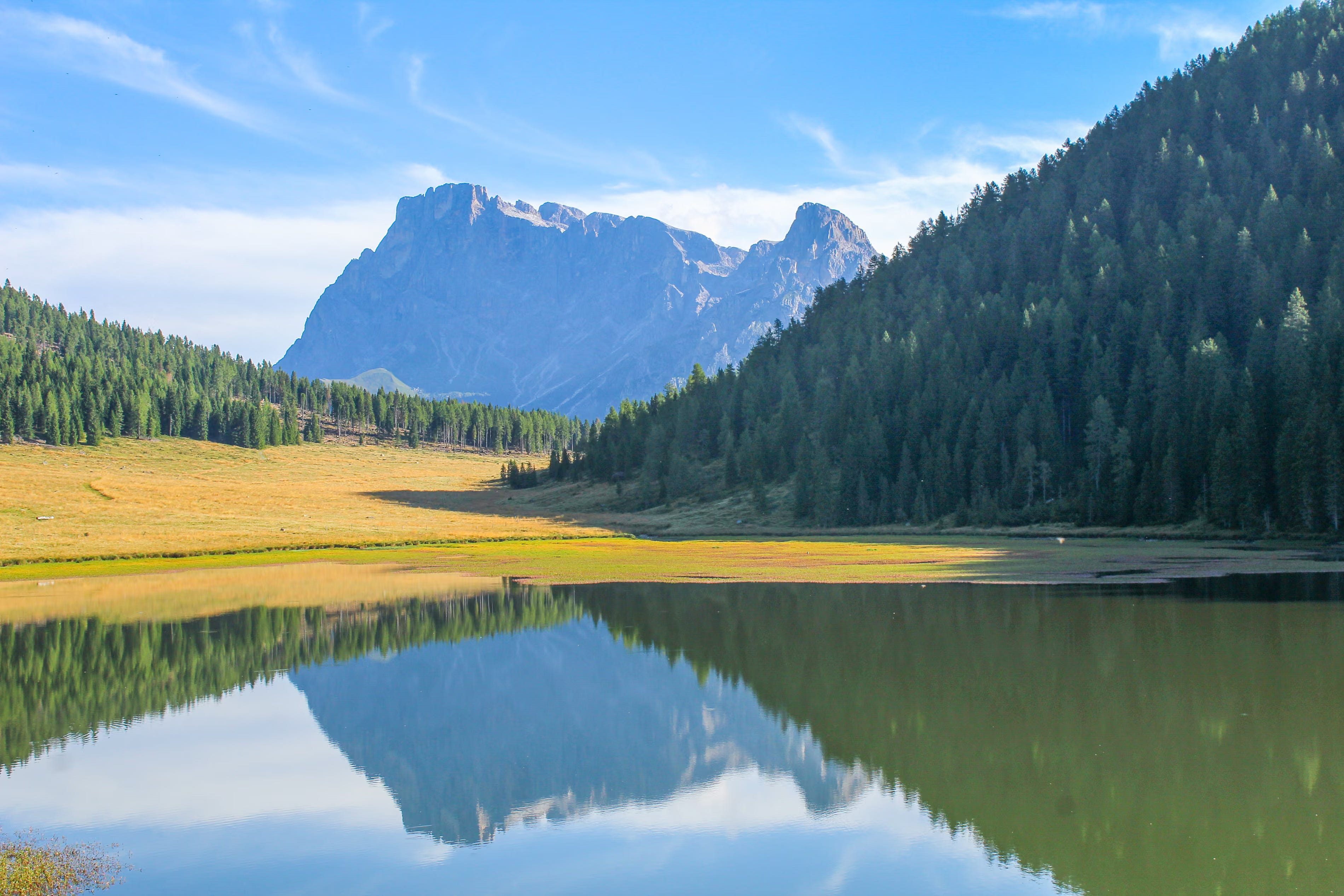
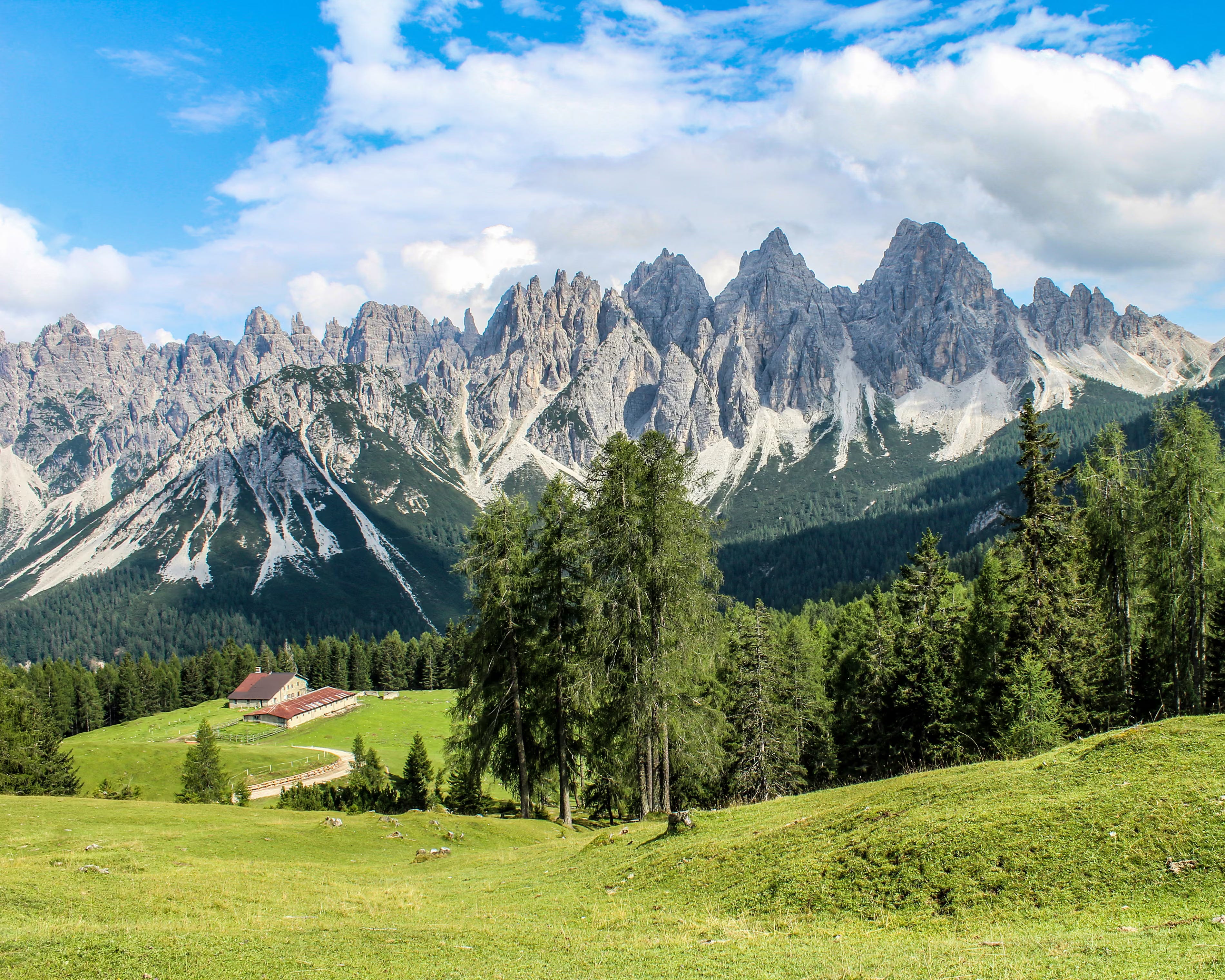
Starting from Belluno, the gateway to this lesser-known area, the landscape unfolds gradually. Pastures first, then forests, then the vertical drama of Dolomite rock rising almost abruptly from the valleys. The scale is the same as the more famous peaks. The difference is the absence of pressure — fewer people, fewer shortcuts, fewer expectations.
And with that absence comes something else: continuity.
In these valleys, land is still managed through the Regole di Comunità, traditional collective systems that regulate forests, pastures, and resources. It’s not a nostalgic detail — it’s a functioning model that still shapes how communities live and work.
This is not “tourism-first” territory. It’s territory that happens to be visitable.
The article moves through lakes like Lago del Mis or Lago di Calaita, where the experience is less about ticking off viewpoints and more about time — paddling, walking, stopping. Then higher, towards Agordino or Monte Pelmo, where the same monumental walls of the Dolomites appear, but without the choreography of crowds.
And that’s where the narrative becomes interesting.
Because the appeal here is not just silence. It’s proportion.
You are not guided through the landscape — you are left inside it.
Even the infrastructure reflects this. Rifugi are still places to reach, not products to consume. Some require hours of hiking. Others, like remote bivouacs, operate without booking systems, forcing a level of unpredictability that modern travel has almost eliminated.
Food follows the same logic. Dishes are not reinvented — they are maintained. Polenta, cheeses, pastìn, local herbs. Not as a concept, but as continuity.
What Tameni’s piece subtly suggests is that this version of the Dolomites exists in parallel to the one we already know — and increasingly overuse.
Same mountains. Different system.
And that difference matters more than it seems.
Because once a place becomes fully legible to global tourism, it starts adapting to it. Trails become flows. Experiences become formats. Authenticity becomes a layer, not a condition.
These “forgotten” Dolomites haven’t gone through that process yet.
Which is precisely why they feel different.
The question, as always, is what happens next.
Because visibility is not neutral. It changes behaviour — of visitors, of businesses, of entire territories.
And the moment a place becomes known for being “uncrowded”… it rarely stays that way for long.