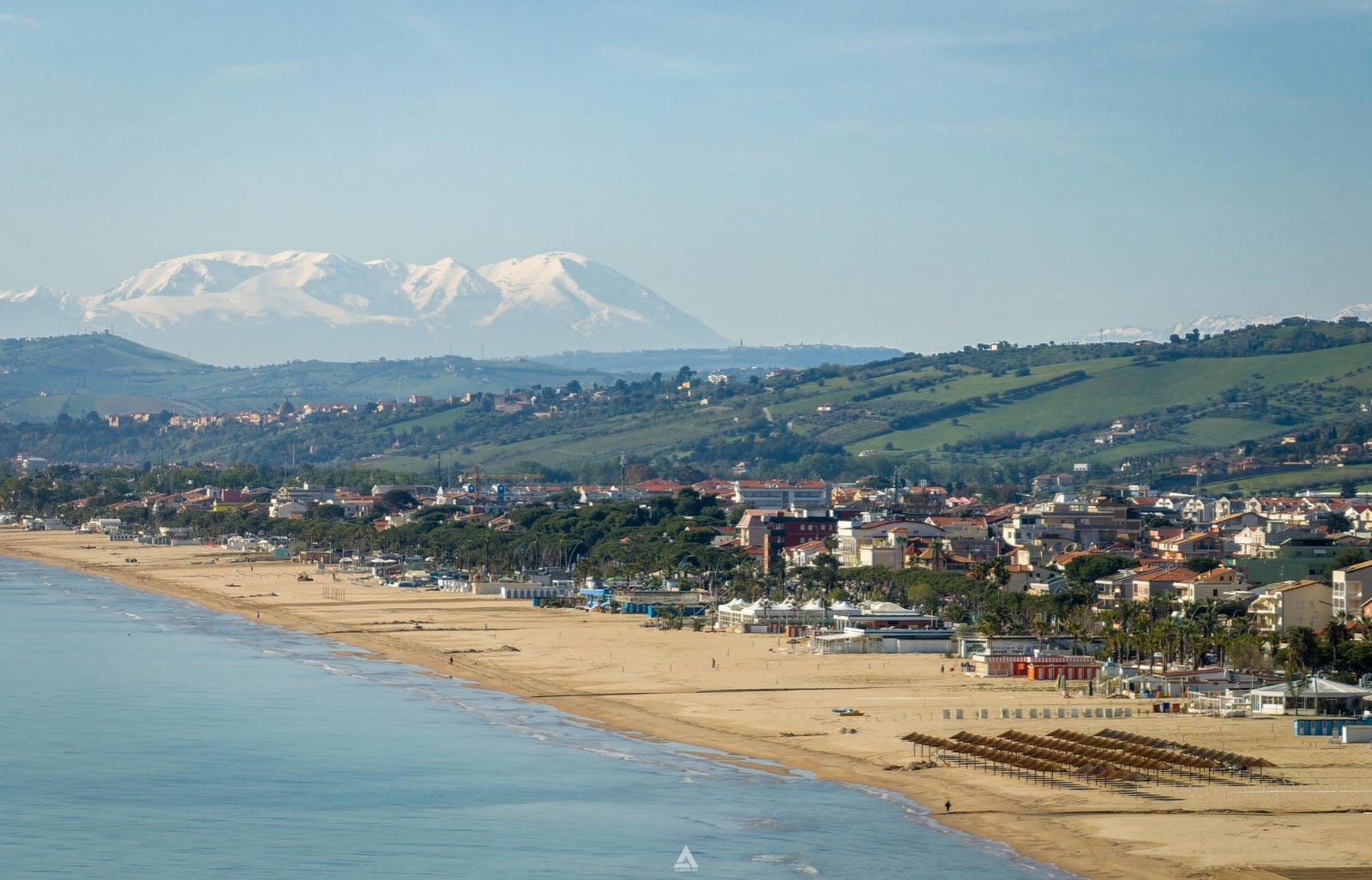
Quando il rientro dall’estero non è nostalgia, ma strategia. E quando un territorio scopre che il lavoro da remoto può essere molto più di un’estate riuscita.
Con Matteo Di Donato, nell’episodio 8 di Remote Workers for Remote Villages, scopriamo una terra che unisce mare, colline e montagne - e una visione che parla a chi sta pensando di tornare, restare o ricominciare.
Ci sono territori che non chiedono di essere raccontati: ti si aprono davanti, ti attraversano, ti ricordano che l’Italia non è solo ciò che vediamo nei fine settimana affollati di agosto. L’Abruzzo è uno di questi luoghi. In meno di un’ora passi dall’Adriatico alle cime del Gran Sasso; in una giornata puoi nuotare, pedalare tra vigneti, assaggiare pesce freschissimo a pranzo e ritrovarti la sera in un borgo medievale a bere un Montepulciano che profuma di storia. È una regione di autenticità – non globalizzata, non levigata, semplicemente vera.
In questo paesaggio arriva la storia di Matteo Di Donato, protagonista dell’episodio 8 di Remote Workers for Remote Villages. Dopo 18 anni all’estero tra Germania, Spagna, Francia, Portogallo e Sud America, una carriera nel marketing internazionale e un percorso dedicato all’enoturismo, Matteo decide di tornare a Tortoreto, il paese dove è cresciuto. Non per nostalgia: per investimento. Per restituire al territorio una parte di ciò che aveva raccolto altrove.
Nasce così Discover Tortoreto, un progetto che unisce appartamenti rinnovati e un modello di accoglienza basato su esperienze personalizzate. L’obiettivo è semplice e radicale: vivere Tortoreto non come destinazione estiva, ma come luogo possibile per tutto l’anno, dove lavorare da remoto con qualità di vita reale – e non immaginata.
L’intervista tocca nodi cruciali: la timidezza della domanda per soggiorni lunghi, la burocrazia che rallenta, le carenze infrastrutturali dell’entroterra, una cultura imprenditoriale che ancora fatica a leggere le opportunità del rientro dei giovani. Eppure, proprio mentre emergono questi limiti, emerge anche la forza del territorio: una comunità accogliente, un’identità riconoscibile, un ritmo che conquista chi arriva da settembre a maggio, quando tutto è più autentico e più vero.
Matteo racconta un Abruzzo che non vende promesse patinate, ma offre possibilità. Un Abruzzo dove il cibo è cultura, il paesaggio è movimento, e il lavoro da remoto non è un’eccezione ma una prospettiva concreta - se accompagnata da visione, servizi e una narrazione capace di durare più di un’estate.
L’episodio non è solo un racconto: è un invito.
Un invito a guardare l’intervista completa per capire come si costruisce un ritorno.
E poi a farsi una domanda molto semplice: cosa aspetti a vedere Tortoreto e l’Abruzzo con i tuoi occhi?
Forse basta qualche settimana per capire che potresti restare di più.
Forse basta un viaggio per immaginare un nuovo inizio.
E forse – come dimostra Matteo – i territori cambiano quando qualcuno decide di tornare davvero.
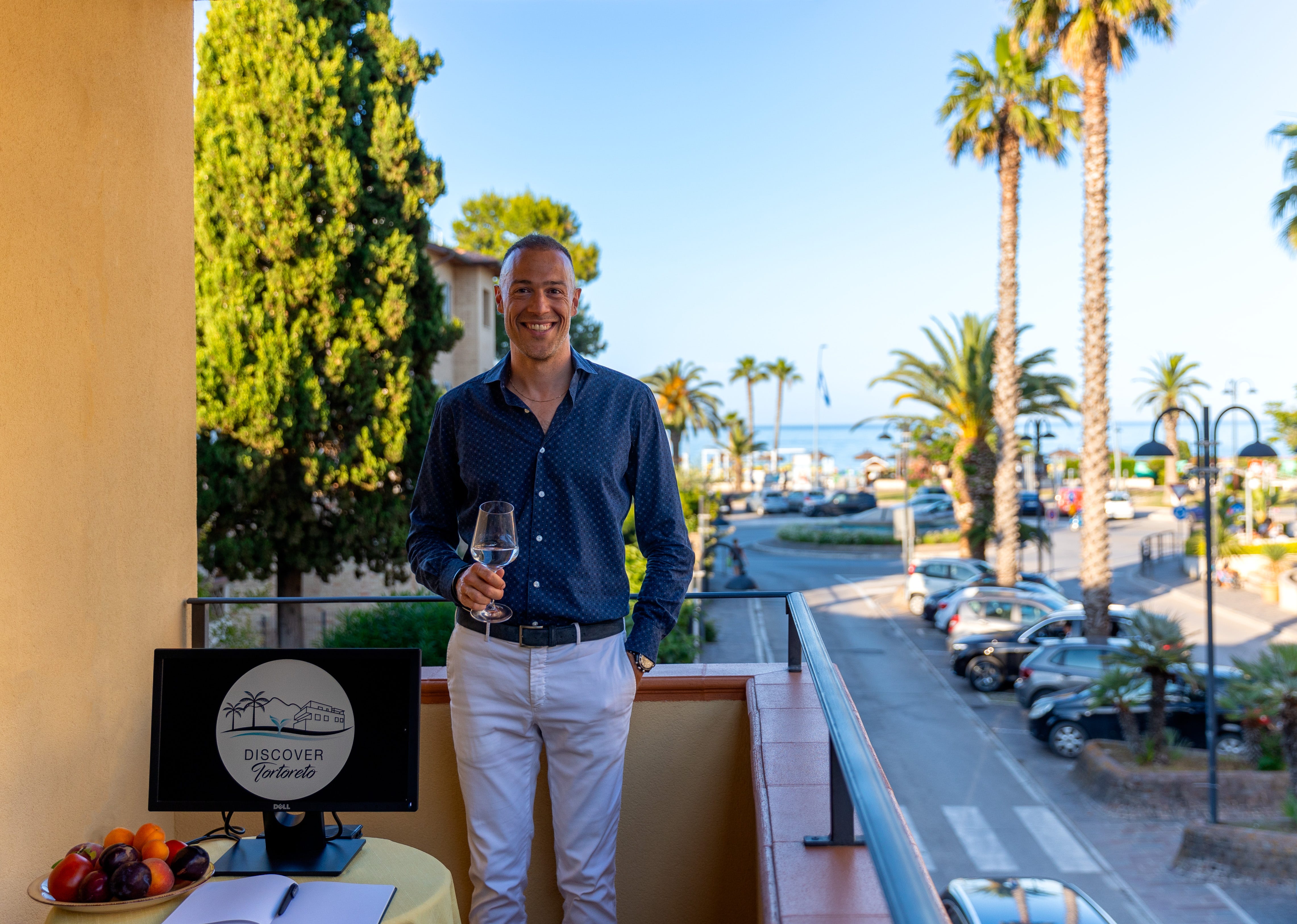
Tortoreto, Abruzzo: When Coming Back Becomes a Project
When returning home isn’t nostalgia but strategy — and a territory discovers that remote work can be much more than a successful summer.
With Matteo Di Donato, in episode 8 of Remote Workers for Remote Villages, we explore a land that blends sea, hills, and mountains — and a vision that speaks to anyone thinking about returning, staying, or starting over.
There are places that don’t need storytelling: they open up before you, move through you, and remind you that Italy is not what we see during those crowded August weekends. Abruzzo is one of those places. In less than an hour you move from the Adriatic coast to the peaks of Gran Sasso; in a single day you can swim, cycle between vineyards, enjoy fresh fish for lunch and end your evening in a medieval village drinking a Montepulciano that tastes like history. It’s a region of authenticity — not globalised, not polished, simply real.
Into this landscape comes the story of Matteo Di Donato, guest of episode 8 of Remote Workers for Remote Villages. After 18 years abroad — between Germany, Spain, France, Portugal, and South America — and a career in international marketing enriched by wine tourism, Matteo decides to return to Tortoreto, the town where he grew up. Not out of nostalgia, but as an investment. A way to give back to the territory part of what he had gathered elsewhere.
This is how Discover Tortoreto was born: a project that blends renovated apartments with a hospitality model built on personalised experiences. The goal is simple and radical: to experience Tortoreto not as a summer-only destination but as a year-round living option — a place where you can work remotely while enjoying a real, not imagined, quality of life.
The interview touches on crucial issues: the still-shy demand for long stays, the bureaucracy that slows things down, infrastructural gaps in the hinterland, and an entrepreneurial culture that still struggles to recognise the opportunities that come with young people returning home. Yet as these limits emerge, so does the territory’s strength: a welcoming community, a recognisable identity, a rhythm of life that wins over those who arrive from September to May, when everything is more authentic and more true.
Matteo presents an Abruzzo that does not sell glossy promises, but offers possibilities. An Abruzzo where food is culture, landscape is movement, and remote work is not an exception but a concrete perspective — provided it is supported by vision, services, and a narrative that lasts longer than a single summer.
This episode is not just a story: it is an invitation.
An invitation to watch the full interview and understand what a “return” really looks like.
And then to ask yourself a simple question: what are you waiting for to see Tortoreto and Abruzzo with your own eyes?
Maybe a few weeks are enough to realise you could stay longer.
Maybe a single trip is enough to imagine a new beginning.
And maybe — as Matteo shows — territories change when someone decides to truly come back.